Do you know that there is a silent threat in the air you cannot see, smell, or taste? That threat is radon, a naturally occurring radioactive gas that seeps into homes from the soil.
According to health experts, radon is the second leading cause of lung cancer in the United States and the leading cause among non-smokers. It is linked to an estimated 21,000 lung cancer deaths each year in the United States, yet many families never think to check for it.
This blog explores the dangers of radon, how radon testing works, and why radon testing for homeowners matters. A simple test could be one of the most important steps you take to protect your family’s health.
Invisible Threat with Real Consequences
You might think your home feels safe, but that does not protect you from radon. Radon exposure does not produce immediate symptoms. People do not cough or feel sick the same day they breathe it in. Long-term exposure damages lung cells and increases the risk of lung cancer.
Because radon exposure does not show symptoms until serious illness develops, the only way to know if your home has a radon problem is to test.
Who Is at Risk and Where Radon Hits Hardest
- Radon affects all kinds of properties. It has been found in elevated levels in every state. In some areas, one in three homes can have dangerous radon levels.
- You do not have to live in a high radon area to be at risk. Even within the same neighborhood, radon levels can vary from house to house. National health advocates stress that all residences below the third floor of a building should be tested.
- A recent survey found that about 75% of Americans have never tested their homes for radon, even though it contributes to thousands of lung cancer deaths each year.
How Radon Testing Works
Radon testing is simple. There are two main approaches:
- Do-it-yourself test kits: These low-cost kits are available online and at hardware stores. Place them on the lowest level of your house that you use, follow the directions, and send the device to a lab for analysis.
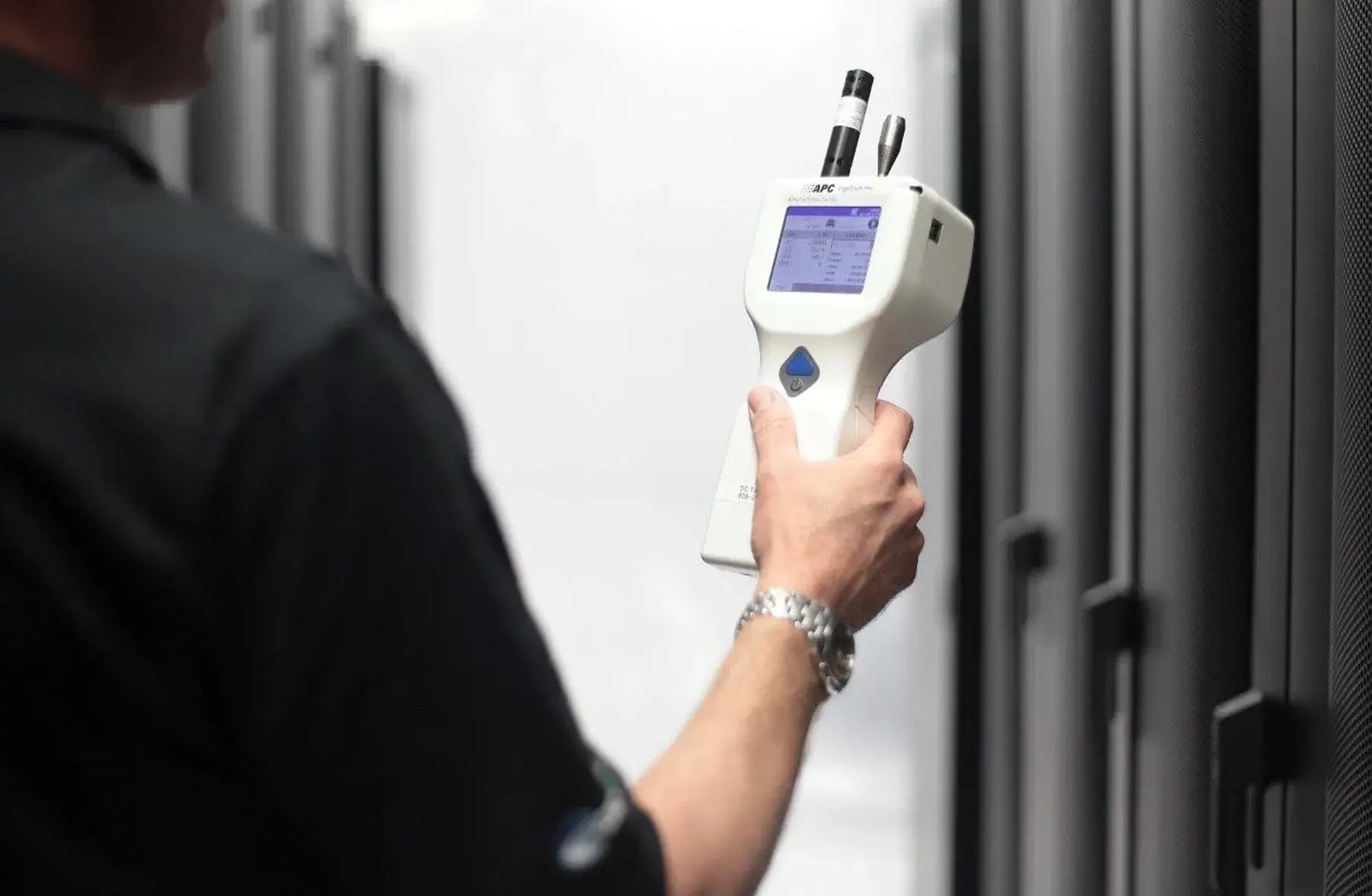
- Professional testing: Certified testers use specialized equipment to obtain longer, more accurate readings. Professional testing is recommended when buying or selling a home, or when previous tests have shown elevated levels.
Testing is the only way to know your home’s radon levels. You cannot guess based on neighbors’ results or your home’s condition.
Understanding the Numbers
Radon is measured in picocuries per liter (pCi/L). The U.S. EPA and public health agencies use 4.0 pCi/L as the action level. If your home tests above that, mitigation should be considered.
Even below that level, some health experts recommend reducing radon if possible. Moderate exposure over time increases the risk of lung cancer, so minimizing exposure is important.
Health Impacts You Cannot Ignore
Radon does not cause colds or allergies. Its danger is more serious: lung cancer. The World Health Organization and U.S. health agencies agree that radon exposure is a major risk factor for developing lung cancer, especially for people who smoke.
For non-smokers, radon is the leading cause of lung cancer. Even if no one in your family has ever smoked, radon can still put them at serious risk.
Common Misconceptions About Radon
There are a few myths that keep homeowners from testing:
- Myth: Radon only happens in old homes.
Fact: Radon can build up in any home, old or new. - Myth: My neighbor’s home is fine, so mine will be too.
Fact: Homes two streets apart can have very different radon levels. - Myth: Testing is expensive or complicated.
Fact: Test kits are affordable, and professionals can make it easy and stress-free.
Make Radon Testing Part of Your Routine
Health experts recommend that homeowners test their homes:
- When they move in.
- Every two to five years.
- After renovations or major changes to the home.
- Whenever someone spends more time in the basement or lower levels.
Because radon levels can change over time, periodic testing ensures you stay safe long-term.
Ensuring Your Family’s Safety Through Radon Testing
The importance of radon testing for homeowners cannot be emphasized enough. It is about smart, proactive protection. You would not guess whether your carbon monoxide alarm works or skip a smoke detector check. Radon deserves the same attention because the risk is real and preventable.
Testing reveals what you cannot sense. Once you know your levels, you can take action to reduce them and protect your family.
Every homeowner wants to safeguard their family. Assurance Home Inspections offers reliable radon testing that gives you the clear answers you need. Early detection can make all the difference. Schedule your radon test with us today to take the first step toward a safer, healthier home.