Nobody wants to live in a house that makes them sick every single day. The EPA reports that indoor air can be two to five times more polluted than outdoor air. That is a terrifying thought when you realize most Americans spend 90% of their time indoors.
If you are constantly sneezing or smelling something off, you are likely looking for answers. But do you need to hunt for fungus or check for invisible chemicals?
This blog clears up the confusion between air quality testing vs mold testing so you can breathe easy again. You will know which test actually solves your problem and how to avoid wasting money on the wrong one.
Understanding these differences protects your lungs and your wallet simultaneously.
The Specific Focus of Mold Testing
Mold testing is a bit like being a detective at a very specific crime scene. The goal is to determine whether mold spores are present, what type they are, and how many are floating around.
Inspectors usually take tape lifts or swab samples from surfaces with visible gunk. They also collect air samples in small canisters to count the spores you cannot see. This is vital if you smell a musty odor but do not see anything behind the wallpaper or under the sink.
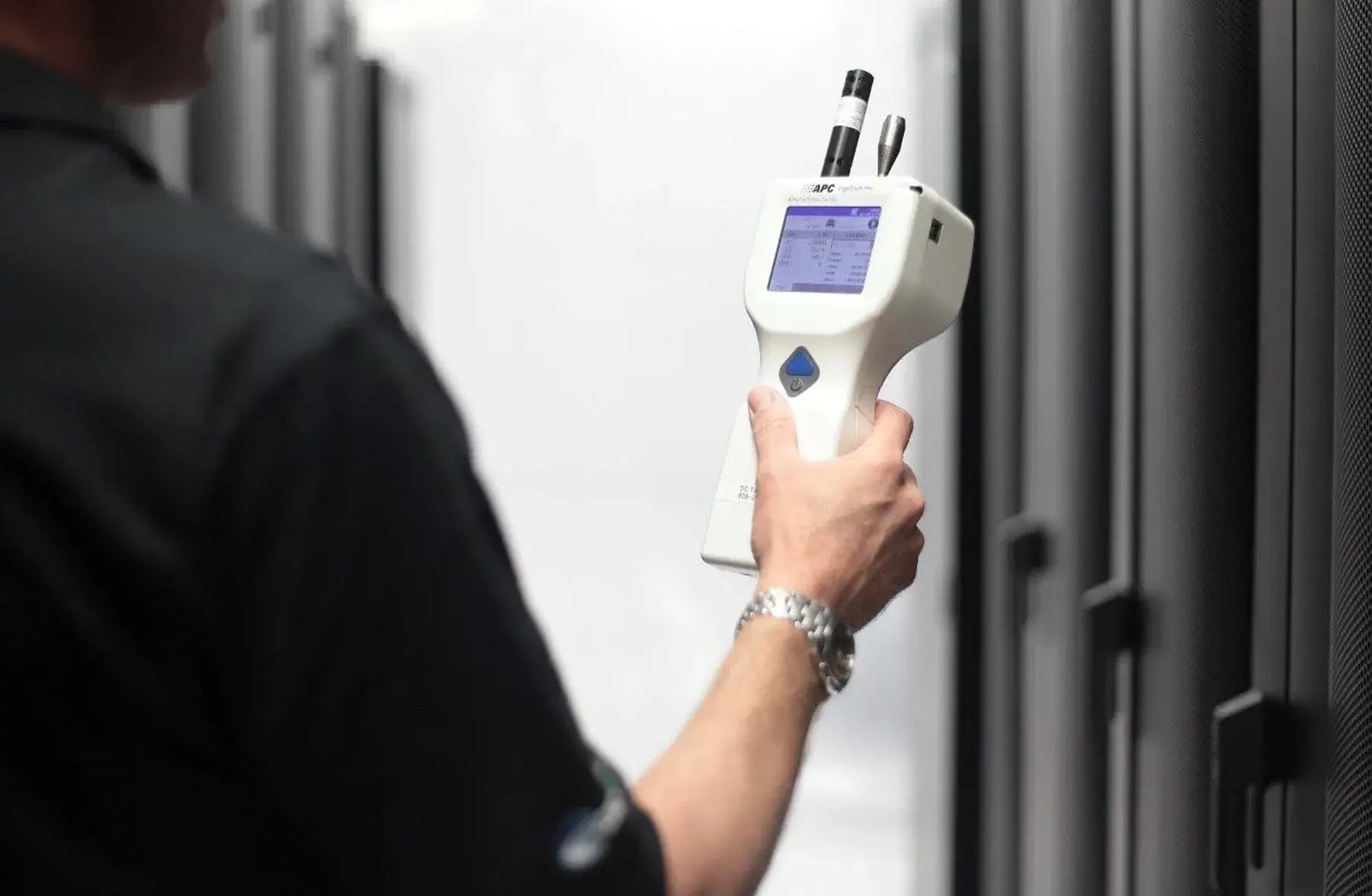
What Does Air Quality Testing Detect in Your Home
Air quality testing is a much broader net. If mold testing is a microscope, air quality testing is a wide-angle lens.
So, what does air quality testing detect exactly?
It looks for substances like Volatile Organic Compounds (VOCs). These are chemicals that off-gas from your carpet, your new sofa, or even the paint on your walls. It also tracks carbon monoxide, radon, and tiny dust particles that can get stuck in your lungs.
A famous example of this happened during the Lumber Liquidators scandal a few years ago. Thousands of homeowners realized their laminate flooring was releasing high levels of formaldehyde into the air.
A simple mold test would have never caught that, but an air quality test would have flagged it immediately. The EPA provides a deep dive into how VOCs affect your health.
Why the Confusion Happens
People often use these terms interchangeably because the symptoms of poor air quality can look the same. A headache could come from black mold or from high carbon dioxide levels due to poor ventilation.
If you only test for mold, you might miss a gas leak or a chemical issue. Think of it like going to the doctor for a stomachache.
- A mold test checks for one specific virus.
- An air quality test is a full physical exam of the entire environment.
When to Choose a Mold Test
You should lean toward a mold test if you have had a recent water leak. Maybe your water heater burst or the dishwasher flooded the kitchen floor last month.
If there is a lingering wet basement smell, mold is the culprit. In these cases, you do not need to check for chemical gases. You need to know if the black stuff in the corner is toxic or just a common household nuisance.
The University of Minnesota offers a great guide on dealing with moisture and mold.
When Air Quality Testing is the Better Move
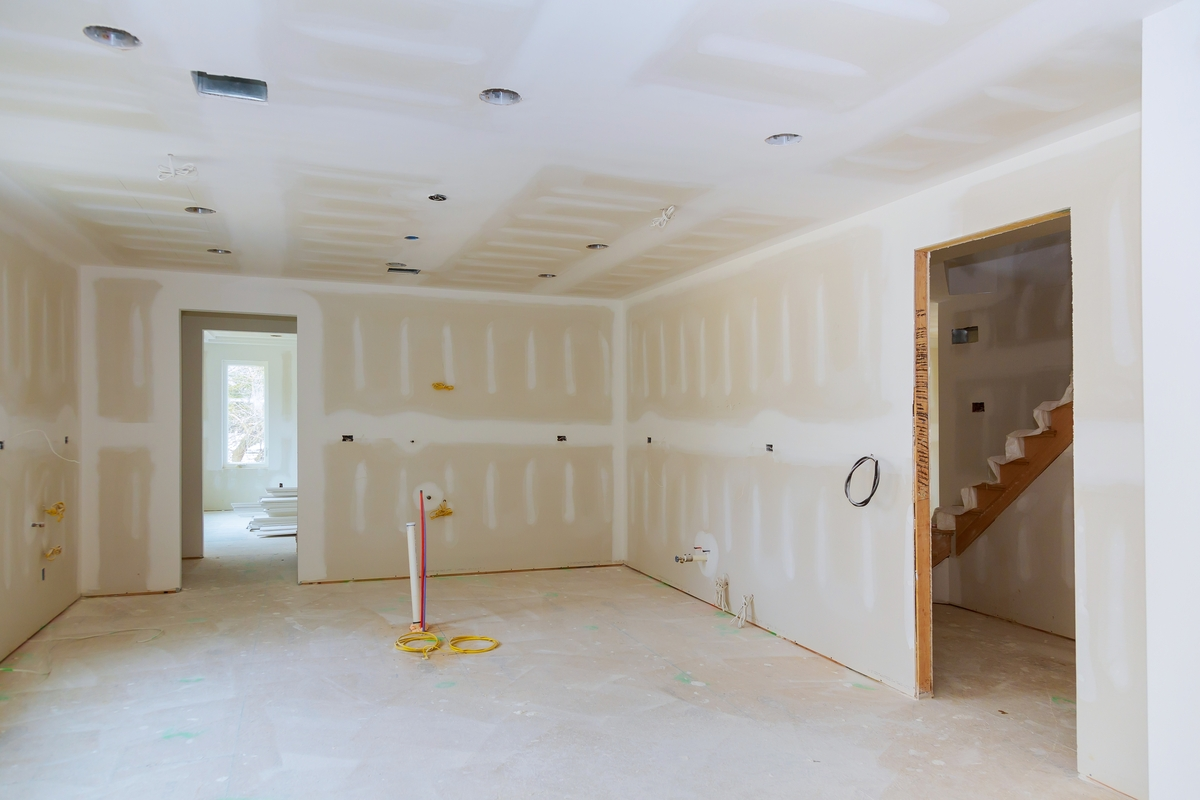
If your house feels stuffy or you get dizzy only when you are at home, go broader. This is especially true for brand new houses or homes that were recently renovated. New materials often release chemicals for months after installation.
What does air quality testing detect that others miss? It finds the invisible irritants that come from household cleaners, pesticides, and even your stove.
If your home is tightly sealed for energy efficiency, these pollutants can get trapped inside with you.
The Real Cost of Ignoring Your Air
Ignoring the signs of poor air can lead to long-term health issues for kids and pets.
A documented investigation by Technical Safety BC found that a residential forced-air furnace was leaking carbon monoxide into a home due to improper venting and mechanical failure. Occupants experienced ongoing health symptoms until inspectors identified the furnace as the source of indoor air contamination, and the system was repaired.
Getting the right test is not just about home maintenance. It is about making sure your sanctuary is actually safe to live in.
How to Decide Which Test to Go With
Start by looking at the history of your house.
Has it been wet? Go with mold testing.
Does it just smell weird, or does it make you feel sluggish? Go with air quality testing.
Sometimes, doing both is the smartest way to get a full picture of your living space. It takes the guesswork out of the equation and gives you a clear plan of action. You deserve to breathe air that is not trying to hurt you.
Investing in a Healthier Living Space
Choosing between air quality testing vs mold testing does not have to be a headache. The right data lets you fix the root cause rather than just covering up the smell with candles.
Once you have your results, you can move forward with confidence and clarity. Your home should be the one place where you can always breathe easy.
If you are worried about what is floating in your halls, you need a professional team to take a look. Assurance Home Inspections provides top-tier testing to ensure your family is breathing clean air. We are a professional home inspection company that prides itself on identifying hidden dangers others miss.
Contact us today to book your test and get the peace of mind you deserve.