In 2014, the city of Flint, Michigan, became a tragic example of how quickly water quality can fail an entire community. Even today, millions of Americans live in homes where forever chemicals or old pipes leach toxins into every single sip.
This blog will provide you with a clear water-quality testing checklist to protect your family from invisible threats. You will learn exactly what to look for and how to ensure your tap water is actually safe to drink.
Remember, a proper water quality testing plan is the best way to stop worrying about what is hiding in your pipes.
Why You Cannot Always Trust Your Senses
Many people think that if water looks clear and tastes fine, it is safe. The reality is that some of the most dangerous contaminants have no smell, color, or taste.
Lead is a perfect example because it can enter your water through old solder or brass fixtures inside your own walls. The Environmental Protection Agency warns that there is no safe level of lead exposure for children.
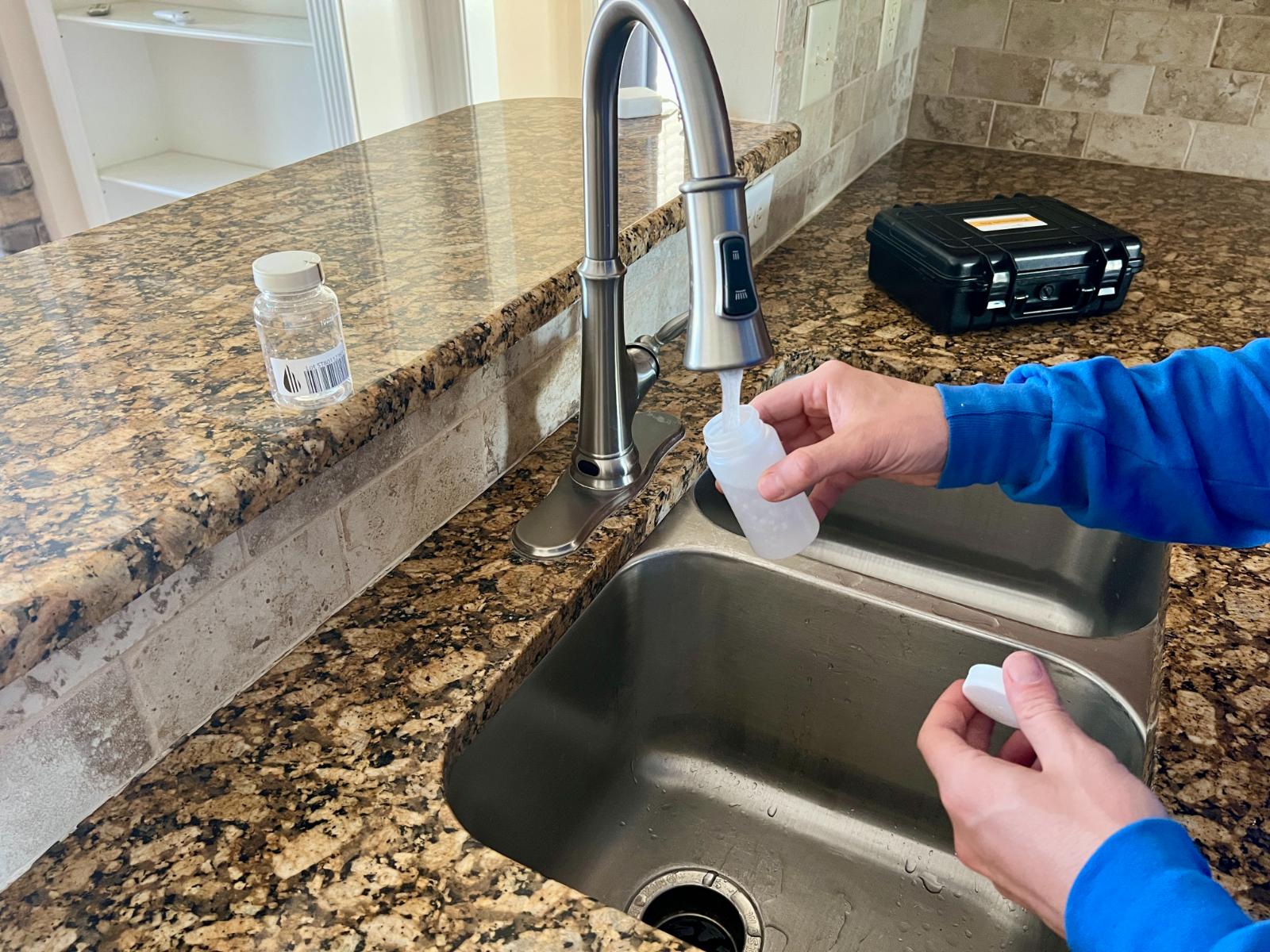
Getting a professional to check your supply is the only way to know what you are drinking.
Your Essential Water Quality Testing Checklist
If you are a homeowner, you should run through this list at least once a year. Testing more often is a good idea if you have a private well or live in an area with heavy construction.
Here is your basic water quality testing checklist to get started:
- Check for Lead: This is critical for any home built before 1986.
- Test for Nitrates: These often come from fertilizer runoff or failing septic systems.
- Look for Coliform Bacteria: This indicates whether surface water is leaking into your well.
- Measure pH Levels: Highly acidic water can corrode your copper pipes and cause leaks.
- Screen for Arsenic: This occurs naturally in the ground in many parts of the country.
The CDC recommends that well owners test for these specific items every spring.
Identifying Strange Smells & Colors
If your water smells like rotten eggs, you likely have hydrogen sulfide gas or a bacterial issue in your heater.
Yellow or brownish water often points to iron or manganese, which can stain your clothes and tubs. A metallic taste usually means you have a high concentration of zinc or copper.
While these might not always be a health crisis, they show that your water chemistry is off. A water quality testing professional can help you figure out if these are just annoying or actually dangerous.
The Rise of Forever Chemicals
Scientists and water experts have recently been warning about PFAS, also known as forever chemicals. These are man-made chemicals used in non-stick pans and firefighting foam that never break down in the environment.
A U.S. Geological Survey study estimated that at least 45% of the nation’s tap water contains these chemicals. Since these are relatively new concerns, many older filtration systems do not catch them at all.
Including PFAS screening in your water quality testing is becoming standard for modern homeowners.
Dealing with Hard Water Issues
Hard water is a common problem characterized by high levels of calcium and magnesium. It is not usually a health risk, but it can destroy your appliances and skyrocket your energy bills.
If you notice white crusty buildup on your showerhead, your water is likely hard. This buildup also occurs inside your water heater, making it work much harder to heat the water.
A quick test can tell you exactly how hard your water is, so you can choose the right softener. This simple step can add years to the life of your dishwasher and washing machine.
Why Private Well Owners Need to Be Extra Careful
If you use city water, the municipality handles most of the heavy lifting for testing. However, if you have a private well, you are responsible for the water plant.
No government agency is checking your well every week to make sure it is safe. Floods, nearby farming, or even a neighbor’s septic failure can ruin your water overnight. Following a strict water quality testing checklist is your only line of defense.
Ensure the Safety of Your Tap Water
Once you have your results, you can finally take action to fix any issues.
Whether you need a simple carbon filter or a whole-house reverse osmosis system, you will have the facts. No more guessing and no more worrying every time you take a shower or make dinner. Clean water is the foundation of a healthy home and a happy family.
Start checking off your list today to ensure your family has access to safe water. Don’t leave their health up to a lucky guess.
Assurance Home Inspections knows exactly how to spot the invisible junk hiding in your pipes. We are a professional home inspection company that provides a clear, honest report you can understand. We are dedicated to keeping your family safe from hidden water hazards.
Contact us today to book your test and feel confident about what is in your glass.