
A joint survey by the National Association of Home Builders and International Code Council found that over 60% of builders and code officials say new homes have code violations (with some categories as high as 88%–90%).
These are violations of building codes (electrical, structural, installation errors, etc.). It does not mean severe structural failure, but it does confirm that defects are common in U.S. new construction.
Most people think that a brand-new house is perfect by default. This blog will show you why that assumption can lead to a financial nightmare and how a pre-drywall inspection acts as your safety net.
It will help you catch builder shortcuts while they are still easy to fix. You will learn how to protect your family and ensure your new home is actually built to last for decades.
What Exactly Is a Pre-Drywall Inspection
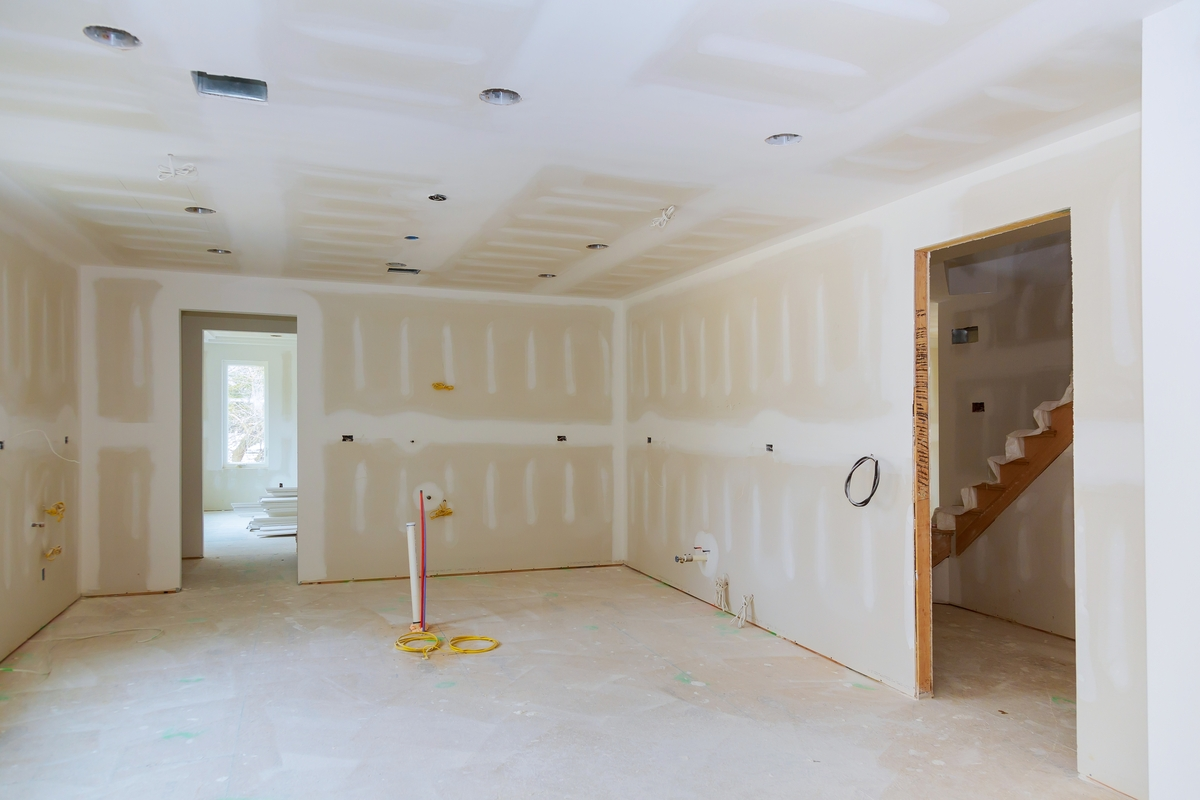
Think of this as an X-ray for your house. It is a specialized checkup performed when the home’s skeleton is fully visible.
A pre-drywall inspection focuses on everything that will soon be covered up by sheets of gypsum board. This includes the wood framing, electrical wiring, plumbing pipes, and HVAC ductwork.
This is your only chance to see if the builder used the right nails or if a plumber accidentally cut through a load-bearing stud. Once the walls go up, these mistakes become invisible until something breaks.
When Does Pre-Drywall Inspection Happen
Timing is everything when you are building a house. If you show up too early, the systems are not finished. If you show up too late, the drywall crews have already buried the evidence.
So, when exactly does the pre-drywall inspection happen? It takes place after the framing is complete and the rough-ins for plumbing, electrical, and HVAC are installed.
It must happen after the municipal building inspector has done their official walk-through. You want your private inspector to come in right after the city official, but before the insulation is installed.
Why the City Inspector Isn’t Enough
Many buyers assume that because a city official signed off on the house, it must be perfect. This is a dangerous assumption.
City inspectors are often overworked and might spend only 15 minutes at a job site. They are looking for basic code compliance, not high-quality craftsmanship you are paying for.
Building code is the bare minimum requirement allowed by law. You probably want your home built to a higher standard than just the legal minimum.
A Scary Lesson from the Mid-2000s Housing Boom
During the U.S. housing boom of the early 2000s, rapid construction and material shortages led builders, especially in Florida and the Southeast, to use imported materials, including Chinese drywall.
In the years that followed, homeowners discovered hidden defects, including corrosive drywall that damaged wiring and mechanical systems, as well as broader issues with construction quality.
If those homeowners had a private inspector look at the house’s guts, they might have caught the red flags early. While that specific material is no longer used, the lesson remains. Rushed construction leads to corners being cut, and those corners are usually behind your walls.
What an Inspector Looks For
During the pre-drywall inspection, the pro is looking for issues that could have a huge impact on your safety. They check for proper fire-blocking between floors, which slows the spread of flames in an emergency.
They also look at the shear walls and the metal straps that hold your house to the foundation. This is vital if you live in an area prone to high winds or earthquakes.
You might see a bunch of wires and think they look fine. A pro will see that a wire is pinched or that a pipe is too close to a nail plate.
The Problem with Notched Studs
Plumbers and electricians are notorious for cutting holes in the wood framing to run their lines. If they cut too much out of a support beam, they ruin the structural integrity of your house.
A pre-drywall inspection will immediately flag these over-notched studs. A builder can easily sister a new piece of wood to the damaged one to fix it.
If you wait until the drywall is up, you will only find out about the weak stud when your second floor starts to bounce. At that point, the fix involves tearing your house apart.
Moisture and Mold Prevention
The inspector also checks for signs of moisture that may have been trapped during framing. If the wood is still wet when the drywall goes on, you are basically sealing a mold factory inside your walls.
They check the exterior flashing around windows and doors to ensure water stays outside. Proper flashing is the most important defense against rot and mold growth. A private inspector knows these rules inside and out and will hold your builder to them.
Saving Money Before the Drywall Goes Up
Fixing a mistake during the pre-drywall phase usually costs a few dollars in materials and an hour of labor. Fixing that same mistake after you move in can cost thousands.
For example, if a drain pipe is sloped the wrong way, it is an easy fix when the walls are open. Once the tile and cabinets are in, that same fix requires a full demolition of your new kitchen.
A pre-drywall inspection is one of the best ROI moves you can make as a homeowner. It gives you the leverage to demand that the builder does the job right the first time.
How to Schedule Your Inspection
Communication with your builder is key. You should tell them as soon as you sign the contract that you intend to have a private pre-drywall inspection.
Ask the site supervisor for a heads-up about a week before they plan to hang the drywall. This gives you time to schedule your inspector.
Do not let the builder pressure you into skipping this step. It is your right to have a third party verify that your future home is safe and sound.
Ensuring Your New Construction Is Built to Last
Building a home is a marathon, and the pre-drywall phase is the halfway point where most mistakes are made. This is your moment to be the advocate for your own investment.
By catching errors early, you ensure that your home stays beautiful and safe for decades. You get the peace of mind that comes with knowing what is actually behind your paint.
The pre-drywall inspection is the most powerful tool in a homebuyer’s kit. Use it to make sure your dream home does not turn into a nightmare.
Protecting Your Investment with Professional Home Inspections
If you are currently building a house, do not trust that everything is being done perfectly. Reach out to Assurance Home Inspections for a professional look at your project.
We are a professional home inspection company specializing in new construction and know exactly what builders try to hide. We provide clear, detailed reports to ensure your new house is a safe place to call home.