You fill a glass full of tap water after a hard day to quench your thirst. You trust it’s safe. But what if it isn’t? That’s why water quality testing matters. It’s the key to peace of mind, health, and even saving money down the road.
Let’s discuss how simple checks can make a difference and ensure the water you drink is clean and safe.
What Is Water Quality Testing Anyway
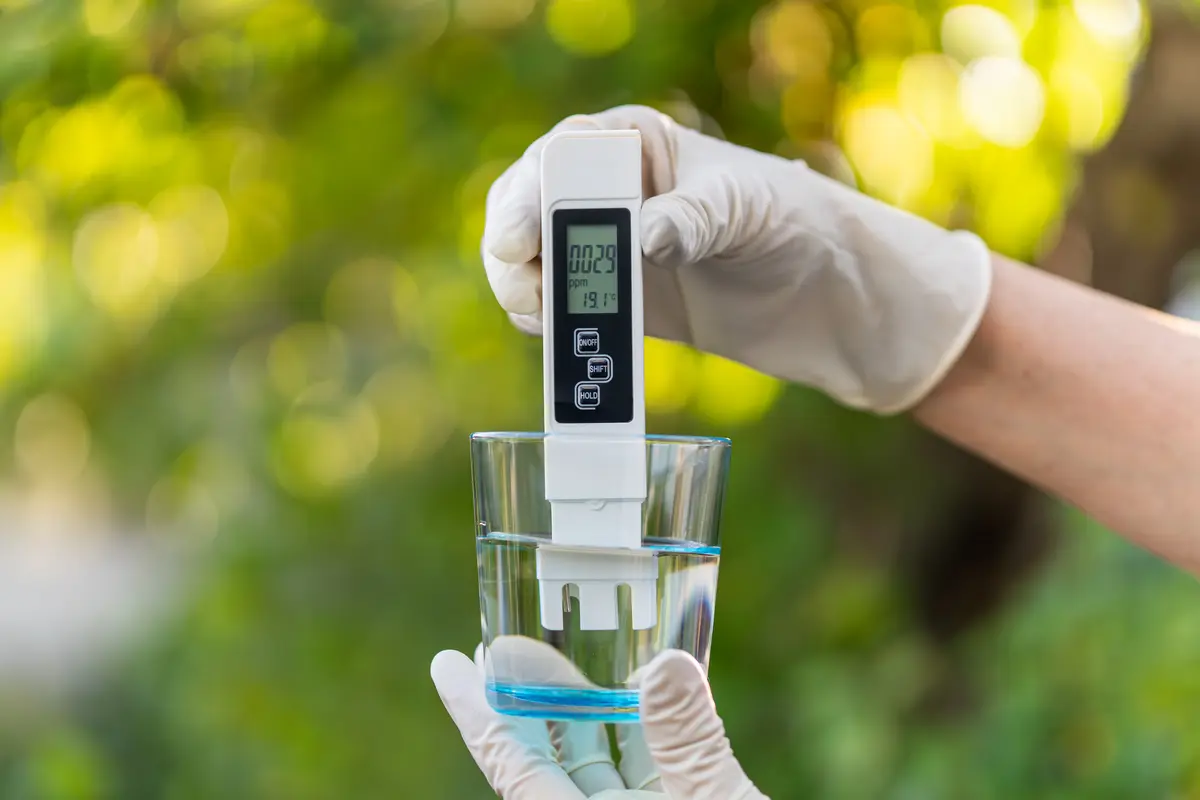
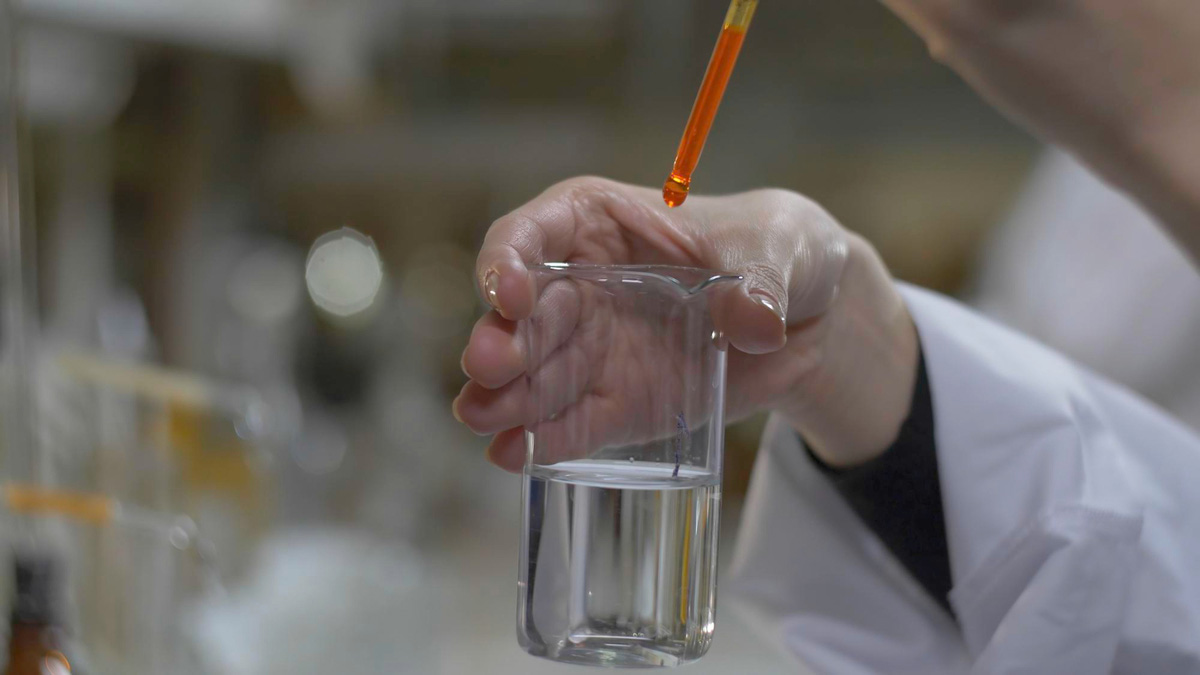
Water quality testing, in its simplest form, involves testing water to determine its levels of various contaminants, such as bacteria, lead, or chemicals. Public water systems should be tested in accordance with the EPA standards and provide you with annual “Consumer Confidence Reports”. But private wells? That’s on you.
That’s why water quality testing isn’t just smart, it’s responsible.
When Safe Water Isn’t Safe Afterall
Regulations notwithstanding, contamination occurs. One recent review reported that toxic byproducts of chlorine disinfection, trihalomethanes (THMs), may increase the 33% risk of bladder cancer and the 15% risk of colorectal cancer.
On a larger scale, the Environmental Working Group discovered that in almost all U.S. water systems, they detected some kind of lingering contaminant, totaling 324, including heavy metals and radiation.
So, are you still asking why water quality testing is essential? It is the only method of catching the invisible threats that may be plaguing your water.
Lessons From the Past
In 1993, Milwaukee experienced the largest outbreak of a waterborne illness in U.S. history, with around 403,000 people infected by Cryptosporidium due to a malfunctioning water filtering system. It cost around $96 million to fix.
The moral of the story is that a quick test or improved filtering could have spared this mayhem. That’s the effect that powerful and effective testing can have.
Real Stories That Touch People
You may believe that you are safe with drinking city water. However, testing ensures that you are not relying on assumptions.
As one user pointed out:
“The consumer confidence report … won’t provide you with the full picture … Water can become re‑contaminated in the distribution system, and even by your own home’s plumbing … That is why testing a sample taken from the home itself using a certified lab is so vitally important.”
Others warn about contaminants being more common in vulnerable communities:
“Nearly one‑third of Americans have been exposed to unregulated contaminants … Hispanic and Black communities are more likely to face unsafe levels.”
Then there’s this:
“Most Americans take it for granted … water systems contain unsafe levels of toxic contaminants … including cancer.”
These voices remind us that testing isn’t optional; it’s essential.
What’s at Stake, and How Water Testing Helps
Here’s why water quality testing is so necessary and how it makes a real difference:
Protects your health
Risks such as lead, E. coli, or PFAS (forever chemicals) can cause serious illnesses, and only testing will reveal them.
Targets invisible threats
PFAS can impact up to 60% of Americans, but they are not always regulated; testing at an early stage helps.
Dramatically reduces risks
There are ways to reduce exposure by installing a suitable filter once a problem has been discovered.
How to Test without Overwhelm
The following brief, real-life guide will help you test your water:
1. Start with your water type
- City water: Have you looked at your annual Consumer Confidence Report?
- Well water: you do the testing.
2. Take a Sample from Your Tap
Ensure that it has been checked in a certified laboratory. A simple water analysis won’t cost you much. However, for a more detailed analysis, the cost may be higher, and you may need to select a reputable laboratory.
3. Know What to Test For
Common culprits, such as lead or coliform, can be detected through standard testing. For PFAs and THMs, advanced testing will be required, depending on your budget.
4. Compare Results with Standards
Refer to EPA limits or other recommendations from reputable organizations. You can check them online, or take help from professionals who can guide you on how to interpret the tests’ findings.
Remember, there is no need to spend a lot of money on testing; nonetheless, it is well worth it.
Who Needs Water Quality Testing the Most
Water dangers are not universal in homes. There are instances where both emergency and regular testing are required more frequently. When you fall into one of the categories given below, then it is time to take testing seriously:
1. Private Well Owners
The EPA does not regulate your water as long as the water is. You are solely responsible for maintaining the water quality of your well. The CDC recommends conducting bacterial and nitrate testing annually, and more frequently when living close to farms, industrial units, and septic systems.
2. Older Homes
Homes built before 1986 may have lead pipes or fixtures that release lead into the water, particularly if the plumbing system has not been replaced. Children and pregnant mothers are especially at risk of lead exposure. A simple test can detect it.
3. Homes with Infants, Elderly, or Immunocompromised Individuals
Individuals with weakened immune systems are more susceptible to waterborne diseases. In these cases, water quality testing becomes vital, and not just a routine check.
4. Homes Close to Industrial or Agricultural Belt or Mining Sites
Substances such as chemicals, nitrates, and heavy metals may be leached into the water through their operations. If your home is close to a farm, factory, or downhill from either, regular testing is required.
5. Homes with Stained Items, Foul Smell, or Unusual Taste
When your water smells of rotten eggs or tastes metallic and leaves reddish-brown stains on faucets, that’s a warning sign. These may indicate the presence of sulfur, iron, and other unwanted impurities.
In Summary
You rely on your water to fill up a glass, cook, clean, wash, or bathe. Water quality testing gives you confidence that what you’re drinking is safe, not just by regulation, but in real life. It detects hidden risks, protects your health, and that of your family. Therefore, the importance of water quality testing cannot be emphasized enough.
Assurance Home Inspections is forever at your service. With affordable, reliable water quality testing, our friendly experts collect samples, walk you through the results, and recommend easy next steps, from filters to fixes. Take charge of your home’s safety. Arrange for water quality testing with Assurance Home Inspections and start drinking with confidence.