You turn on your faucet expecting clean, safe drinking water, but what if what you can’t see or smell is putting your health at risk? Many households unknowingly consume water containing harmful contaminants, from bacteria to heavy metals, and the effects can be serious. That’s why understanding water quality and testing it regularly is not just a precaution, but a necessity.
In this blog, you’ll discover the three main types of water quality parameters and why they matter for every home. You’ll also learn how to test your water properly and how to make sense of the results. Whether you rely on city water, live in an older home, or use a private well, this guide will give you the clarity and confidence you need to ensure your drinking water is truly safe.
What is Water Quality Testing
At its core, water quality testing is the process of examining water for various substances and properties to ensure it’s safe and suitable for its intended use. For example, water quality tests for drinking water assess whether the water meets health and safety standards. The idea is to detect potential problems, e.g., harmful bacteria, heavy metals, or chemical imbalances, before they become a major concern.
The Environmental Working Group (EWG) stated that bottled water from certain big brands contained chemical contaminants (including disinfection byproducts) at levels similar to those in certain tap water systems. It’s a strong reminder that, well, municipal, or more expensive bottled water; whatever you use, should be tested.
Why Is It Important to Test Water Quality
Let us now see why water quality testing matters so much.
- Health defense: A substantial outbreak occurred in Milwaukee, Wisconsin, in 1993, when the protozoan (Cryptosporidium) contaminated the river water. About 403,000 individuals were infected. That is how disastrous the water issues can be.
- Act before it goes wrong: It could be lead corrosion in old pipes, a surge in nitrate concentration, or a hundred other things; issues can be detected in time, economically, without causing significant damage or cost.
- Save time and frustration: When you realize your water is of poor quality, you can solve the issue by first using filtration, treatments, or even changing the plumbing system, rather than just reacting to it.
- Peace of Mind: Drinking water should be 100% safe; there should not be a guessing game about it. It is testing that builds your confidence in what you are consuming.
The Three Primary Parameters of Water Quality
The following points explain how testers examine water quality. We will discuss each of them, their importance, and what to expect in most cases.
1. Physical Parameters
These refer to the appearance and elemental composition of the water.
Examples: turbidity (water clarity), color, temperature, and total dissolved solids (TDS).
Why it is essential: In case turbidity may be high, which may imply the presence of particles in the water that may support bacteria or even interfere with treatment.
Real-world insight: A study of the drinking water supply in Philadelphia, PA (1992-1993) found that an interquartile increase in filtered-water turbidity was associated with a 9% increase in hospital admissions for gastrointestinal illness among elderly residents (aged 65 and above) when a 9–11 day lag was measured.
2. Chemical Parameters
These include chemicals suspended in the water; some are harmless, and some are not.
Examples: pH, alkalinity, hardness, heavy metals (such as lead or arsenic), nitrates, residual chlorine.
Why it is important: When the pH level is off, it may cause corrosion in your pipes or leach metals into your drinking water. When nitrates are high (as is typical in farm areas), it is a health issue.
Real-world insight: In the Flint, Michigan crisis, when the water source was switched to the Flint River in April 2014, anti-corrosion chemicals weren’t properly applied. As a result, lead leached from service pipes into the drinking water, well above the U.S. standard of 15 µg/L. This shows how chemical parameters (here: corrosion control, metal leaching) directly impacted water quality
Note: Most municipal water systems test for chemical parameters; if you use well water, it is recommended that you test these regularly.
3. Biological Parameters
This concerns living organisms and the by-products of life in water.
Examples: Bacteria (such as coliforms or E. coli), viruses, protozoa, and algae.
Why it is important: Even though you may see and drink water that seemingly is in excellent condition, you can get ill.
Real-world insight: Between 2015 and 2020 in the U.S., public health officials reported 214 drinking-water-associated outbreaks. Of these, 187 (87 %) were biofilm-associated (primarily due to the bacterium Legionella pneumophila). Those outbreaks resulted in at least 2,140 illnesses and 88 deaths.
Tip: Consider adding biological testing to your routine, at the very least, for your own well-being.
How to Test Water Quality
Here is a helpful guide for the homeowners and tenants who want to take charge.
1. Check what is published by your local water utility
For municipal water, you should typically receive an annual report, known as a Consumer Confidence Report (CCR). In this report, a great deal of chemical and physical data should be presented. Review it for any red flags.
2. Use a certified lab or test kit
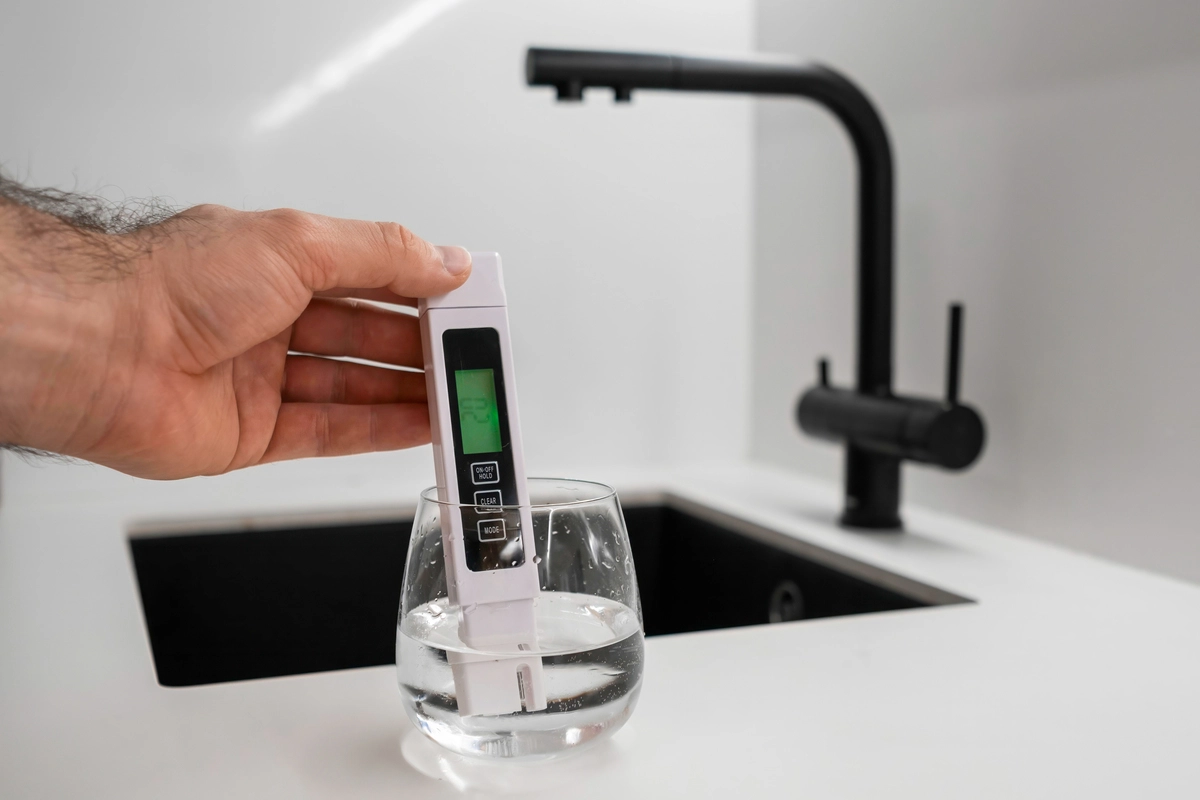
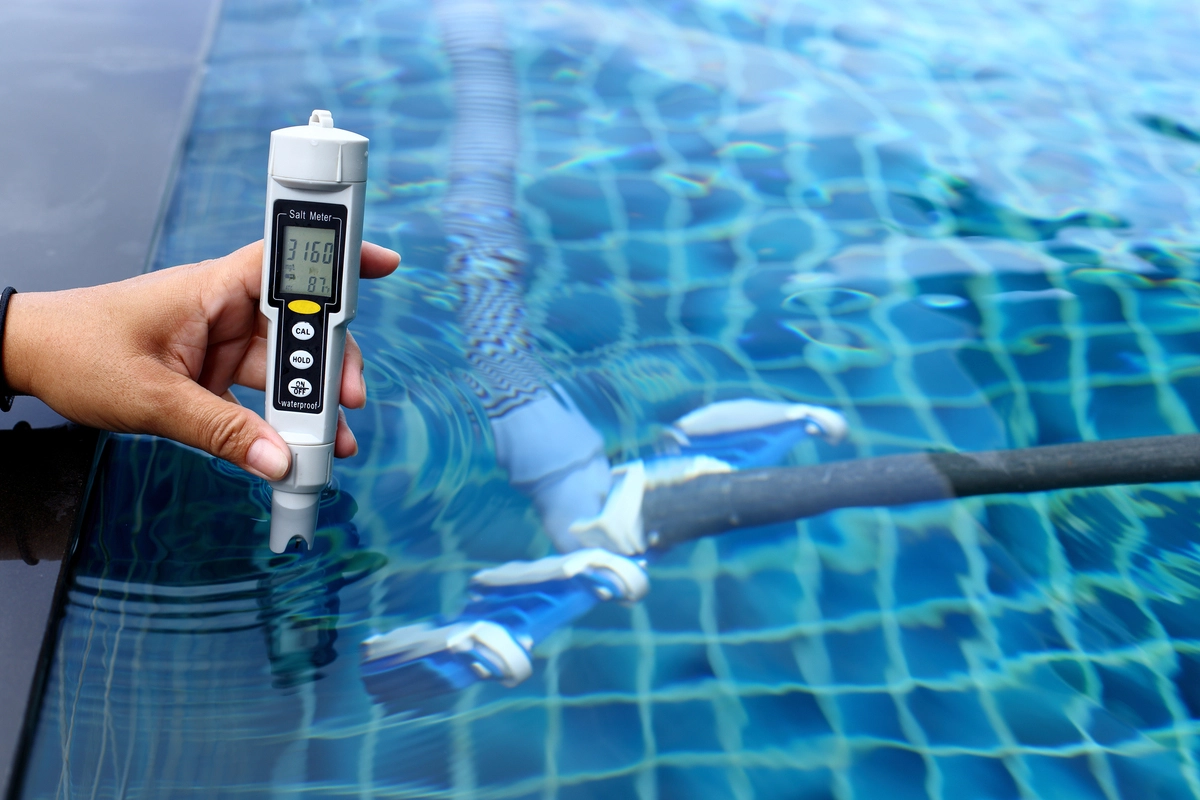
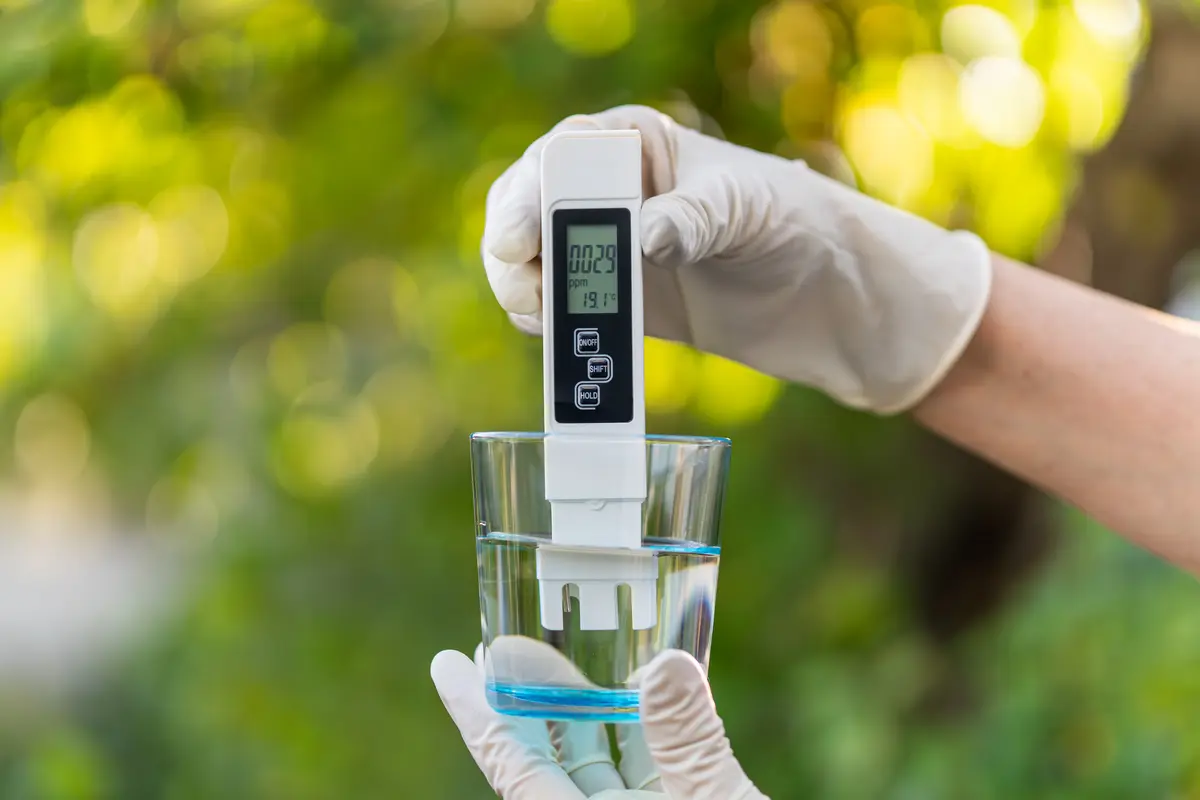
In the case of serious tests (such as lead, arsenic, or bacteria), one should send a sample to an authorized laboratory. Home kits or meters are sufficient for quick checks (TDS, pH, hardness).
A citizen-science project used inexpensive sensors to map over 30,000 data points over 11 days to monitor river quality.
3. Know what to test and when
- When using well water, check for bacteria and nitrates once a year and recheck them after floodwater or heavy rainfall.
- If your house has older pipes or a private well, check for the presence of metals such as lead or copper.
- If you notice any changes in the taste, smell, or appearance of the water, it is advisable to check it immediately.
4. Analyze the findings and take action
- When there is an abnormal range in the physical parameters (cloudiness, high TDS), consider filtration or problems with the source.
- If chemical or biological parameters exceed safe limits, consult a water treatment expert.
- A substantial number of contaminants are odorless and invisible, so don’t leave anything to chance.
Conclusion
“Water quality testing” isn’t just for geeks or scientists. Anyone using water, whether from a well, a city, or a private source, is smart to test it. The three parameters (physical, chemical, and biological) will make perfect sense as you are familiar with them. Knowing how to test water quality enables you to take action. Recognizing why it is important to test water quality means taking ownership of your health and home.
Do not wait till something goes wrong. Be proactive.
Are you ready to take the next steps for your water safety? Contact Assurance Home Inspections. Our team will assist you in evaluating your home’s water supply, conducting the appropriate tests, and providing a straightforward analysis so you will be in the commanding position. Do not risk your water quality; become Assurance Home Inspections’ partner to make your house safe and sound.