
When people think about home safety, they usually focus on smoke detectors, security systems, or hurricane-ready windows. But there’s another threat that often goes unnoticed because you can’t see, smell, or taste it: radon.
Radon is a naturally occurring radioactive gas that seeps into homes from the soil. While it’s invisible, its impact can be very real. According to the Environmental Protection Agency (EPA), it is the second leading cause of lung cancer in the United States. So, radon testing in your home is more important than you think.
Signs of High Radon Levels
If you’re wondering whether you should schedule radon testing in your home, here are five stronger signs that indicate it’s time to take action:
1. Your Neighbor’s Home Tested High for Radon
Radon levels vary from house to house, even on the same street. But if your neighbor or someone close to you recently discovered elevated radon levels, that’s a strong indicator your home may also be at risk.
It is a fact that radon comes from the soil, and neighborhoods often share the same geological conditions. If a nearby home shows high radon levels, consider it a polite warning from Mother Nature.
2. You Spend a Lot of Time in the Basement or Lower Levels
Radon enters homes from the ground, so basements, crawlspaces, and ground floors are hit first. If your home has:
- A finished basement
- A home office downstairs
- A guest room or playroom on the lower level
- Storage or utility rooms you frequently use
Those areas may be exposing you to radon for long periods. Long exposure means a greater health risk, even if the levels are not excessively high.
3. Your Home Has Cracks, Gaps, or Older Construction
It’s not just new homes or old homes; any home can have radon problems. But older structures or houses with worn-out foundations are more vulnerable. You need to keep an eye out for:
- Cracks in foundation walls or floors
- Gaps around pipes
- Settling or shifting concrete
- Large crawlspaces
- Sump pumps or drainage systems penetrating the slab
These openings give radon easy access indoors. Even small cracks can allow significant radon entry over time.
4. You’ve Never Had Radon Testing Before
Most homeowners have never tested for radon, even though the Centers for Disease Control and Prevention (CDC) recommends testing every two years. If you’ve lived in your home for a long time or recently moved in, and radon testing has never been done, that alone is a significant sign it’s time to get one.
A radon test is essential because:
- Radon levels can change as soil shifts
- Nearby construction can affect air flow
- Foundations age and develop new entry points
- Storms and seasons can alter radon concentrations
No matter how healthy or stable your home feels, skipping testing leaves a blind spot in your home safety plan.
5. Family Experiences Unexplained Respiratory Problems
Radon exposure doesn’t cause instant symptoms. Instead, long-term exposure can lead to vague or slowly developing respiratory issues that often go unnoticed. Some warning signs that indicate you should check for radon are:
- Persistent cough
- Shortness of breath
- Frequent chest infections
- Hoarness
- Wheezing
If any of the family members is dealing with such symptoms, you should get a radon test at the earliest.
Why Professional Radon Testing Matters
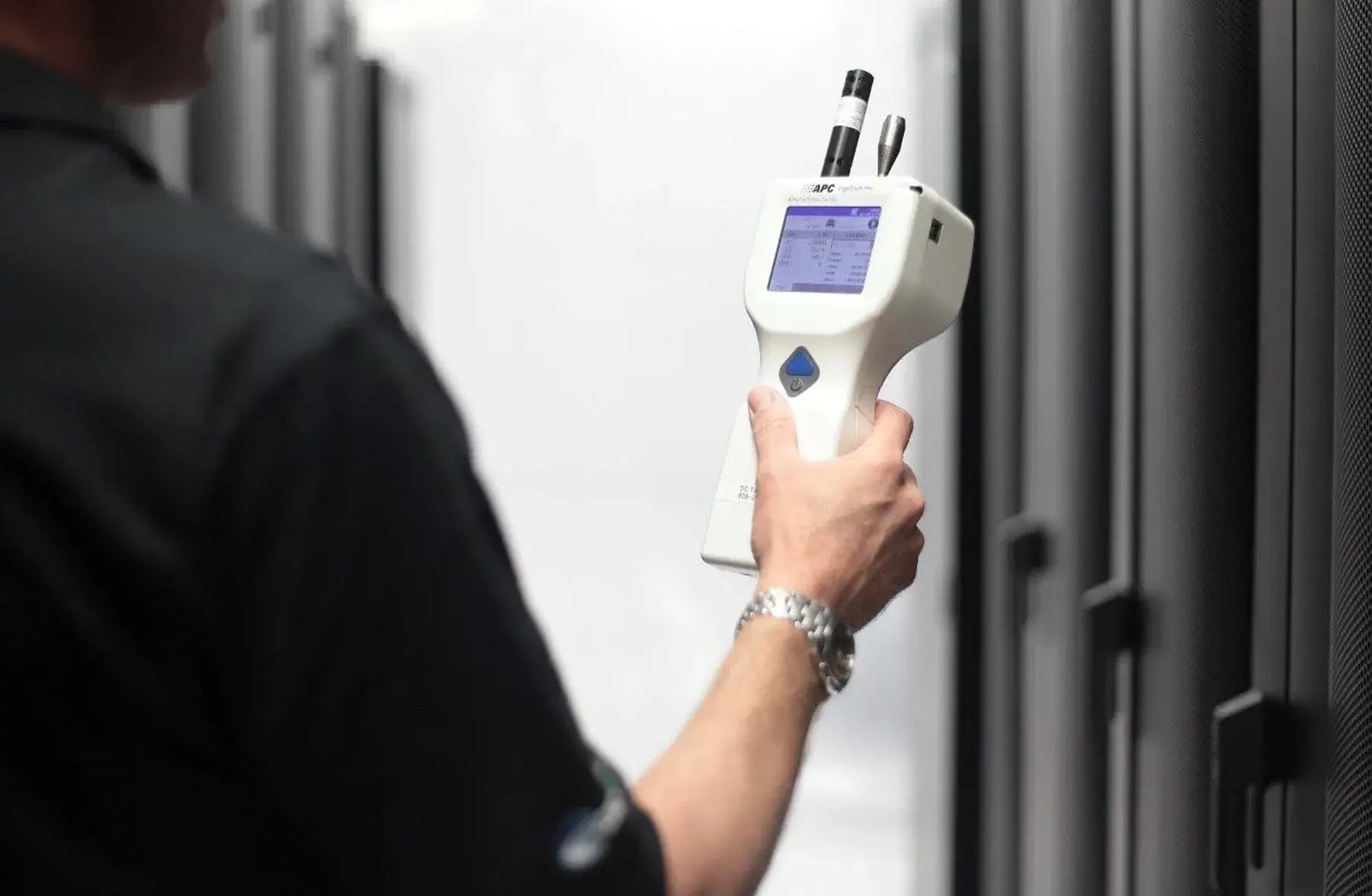
If any of these situations apply to you, your home may be showing signs of high radon levels. Testing is simple, affordable, and the only way to know for sure. A professional radon test can:
- Identify if your home is at risk
- Help you prevent long-term health issues
- Provide peace of mind for your family
- Guide next steps if mitigation is needed
Radon may be invisible, but protecting your home doesn’t have to be.
Radon Test for Your Home
Radon isn’t something you can detect on your own. There’s no smell, no color, and no odd noise. The only way to protect your family is to know what’s happening beneath your roof.
If you’ve noticed any of the signs above, you should take the next step at the earliest. Schedule your radon test with Assurance Home Inspections and get to know how you can maintain your home as a safe living place.