Suppose you are moving into your dream house, and everything is excellent. One day, you realize there is some damp soil outside your yard, something smells strange, or your pipes are clogged. Alarm bells ring and fear creeps in when a septic system begins to malfunction.
Conducting a thorough septic inspection could save you from stress, massive bills, and the dreaded cleanup later. Let’s walk through the importance of septic inspections and why they cannot be overlooked.
What is a Septic Inspection, and When Does It Matter
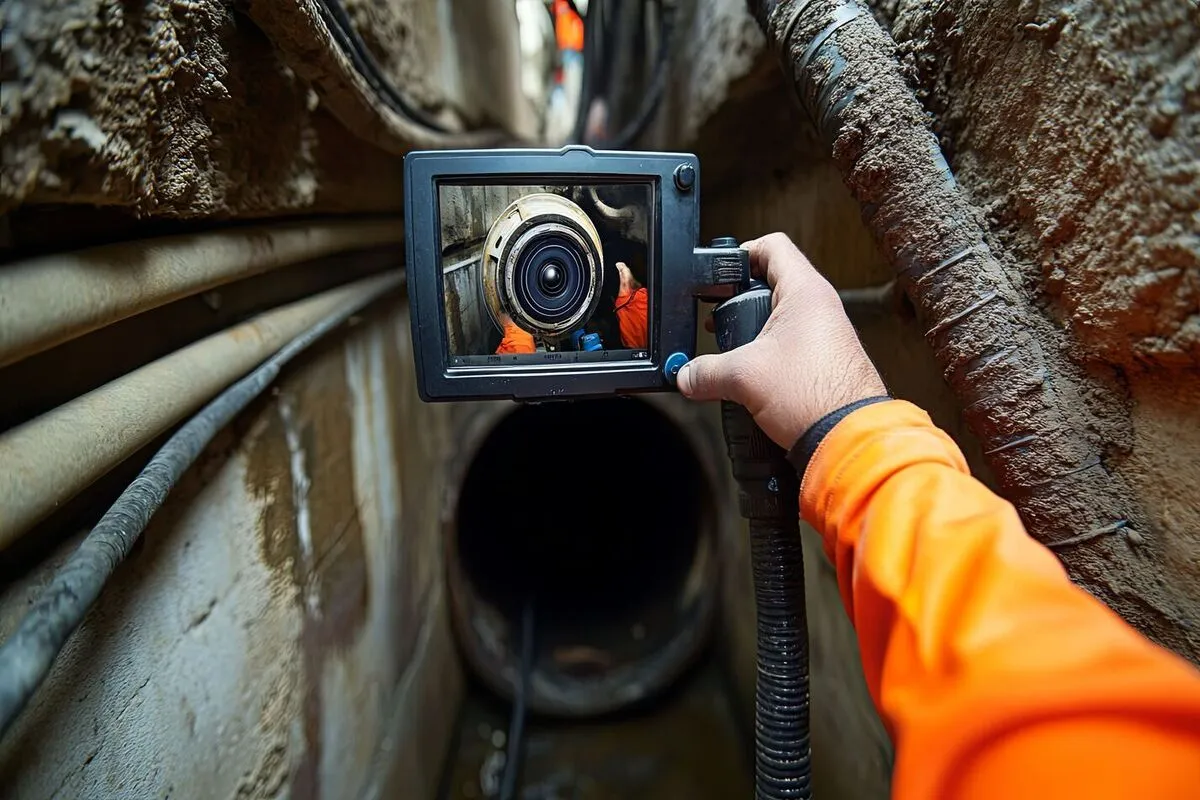
A septic inspection is a professional check-up of your home’s on-site wastewater treatment system, including the tank, pipes, and drain field. During the inspection process, the inspector evaluates its functionality and detects any traces of wear, leaks, or backups.
It becomes vital when you buy a home or as part of your home’s maintenance plan. For homeowners, it is about securing your investment. For buyers, it means not assuming a significant liability.
Why the Inspection Matters: Major Pain Points
Here’s why it is a big deal:
- Surprise maintenance or replacement: A failed septic system can cost from $5,000 to $15,000 for a complete replacement or more.
- Health and environmental risk: Untreated wastewater can get deposited in groundwater and soil, exposing your family, neighbors, and ecosystems to potential dangers.
- Problems with property value and resale: A house with a faulty septic system can decrease the property’s value and make it difficult to sell in the future.
- Knowing these risks makes the importance of septic inspection clear: it’s not just about checking a tank, it’s about safeguarding your home, wallet, and life.
What a Good Septic Inspection Covers
When scheduling a septic inspection, ensure it covers all major components. However, a rough inspection will cover:
- Checking and analyzing the level of sludge and scum in the septic tank.
- Monitoring the state of the drain field to check for oversaturation, wet soil, or overgrown plants.
- Checking any type of mechanical parts or pumps (assuming that your system has them).
- Checking permits, age, maintenance, and service history of the system.
When you have this kind of information at your disposal, you stay informed and are less likely to be surprised.
Real-Life Numbers that Drive the Point Home
- Approximately 33% of U.S households do not have a municipal sewer and use a septic system.
- Minor septic system repairs cost between $250 and $500, and complete maintenance could cost tens of thousands of dollars.
- The routine cost of monitoring is between $250 and $500 every 3-5 years.
- These are not abstract figures; they are actual budgets and actual risks.
Real-life Experience
According to a case reported on WABC on October 22, 2018, a family in Cortland Manor, New York, bought what they thought was a house connected to the town sewer system. Upon moving into the house, they were surprised to find that it had a septic tank, which was rusted and crumbling.
Remediation expenses and safety precautions for the tank were estimated to be $7,500.
This illustrates one of the many reasons why a thorough septic inspection is so important. You may think everything’s fine until you uncover a hidden home-system problem.
How to Make Septic Inspections a Regular Habit
Here are some practical tips in this regard:
- Schedule a septic inspection every 3-5 years, or more frequently if you have a large number of residents, heavy usage, or older equipment.
- Register pumping and repairing history. This will help identify wear and serve as a bargaining point when negotiating the sale of a house.
- Usage care: Do not pour non-biodegradable materials into the sewer, or overload it. Protect the drain field from moving traffic.
- When purchasing a home with a septic system, it is recommended to include a septic system inspection as a contingency in your offer. A failing system is capable of destroying returns.
Treating your septic system in this manner will contribute to treating it as part of your home’s overall maintenance plan. It will no longer be an additional expense.
Wrapping it Up
A home does not just consist of walls, a roof, and landscaping, but it also includes what happens underground. A dependable septic system ensures that everything operates safely and smoothly. By scheduling a thorough septic inspection, you’re protecting your peace of mind, finances, and the overall well-being of the community.
Forgoing it may save you money today, but you risk paying much more later on. The importance of septic inspection cannot be overstated.
When you are ready to take action, call Assurance Home Inspections. Our certified experts understand the key indicators to look for in the event of a septic system issue. We present clear, practical reports to ensure you proceed with utmost confidence, whether you are purchasing, selling, or simply maintaining your own home. It is not wise to wait and find yourself in crisis after an underground problem has gone out of control. Contact us now and secure your home from top to bottom.