Every year, about 21,000 Americans die from lung cancer caused by a gas they cannot even see. It is not cigarette smoke or factory smog.
It is a radioactive gas called radon that seeps into homes through the foundation. You cannot smell it, taste it, or feel it as you breathe.
This blog post will give you a clear plan to check your home. You will learn how radon testing protects your family and why you should never assume your house is safe.
The Radioactive Secret in Your Basement
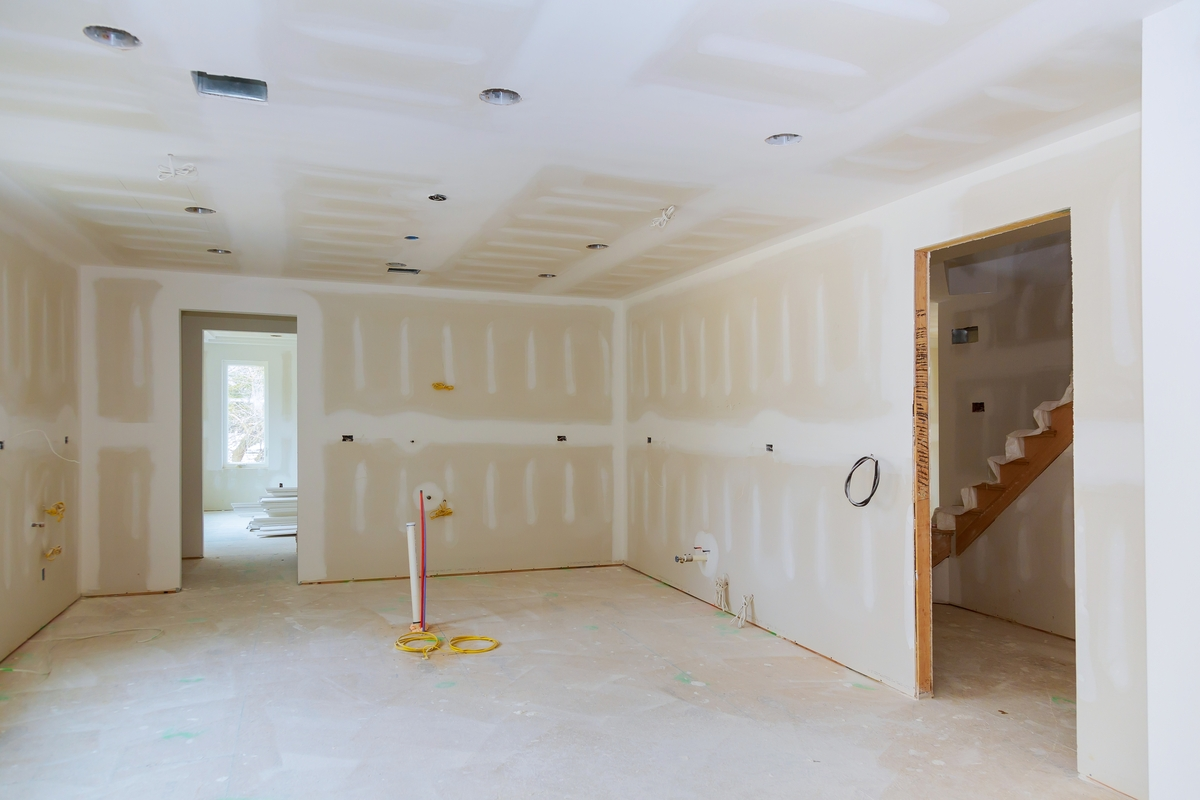
Radon comes from the natural breakdown of uranium in the soil under your house. It moves through the ground and finds its way inside through cracks in the floor or gaps around pipes.
Once it gets inside, the gas is trapped and builds up to dangerous levels. Over time, breathing these particles damages the lining of your lungs.
According to the EPA, radon is the leading cause of lung cancer in the country. Only smoking is more dangerous for your respiratory health.
The Famous Case of Stanley Watras
In 1984, a man named Stanley Watras went to work at a nuclear power plant in Pennsylvania. As he entered the building, he set off the radiation alarms.
Security was confused because he had not even entered the plant’s radioactive zones yet. It turns out, he was bringing radiation from his own home into the facility.
His house had radon levels nearly 700 times higher than the federal safety limit. This incident sparked the national push for home safety checks.
Why Radon Testing for the Indoor Environment Matters
You might think your neighbor’s low test results mean your home is fine. Bear this in mind: radon levels vary wildly from one house to the next.
Two houses sitting side by side can have completely different readings. Soil composition and the way your house “breathes” change everything.
Using professional radon testing to assess indoor environmental safety is the only way to know your specific risk. A test is the only tool that can see the invisible danger lurking in your crawlspace.
Health Risks You Can’t See or Feel
The scary part about radon is that it has no immediate symptoms. You will not cough, get a headache, or feel lightheaded when levels are high.
The damage happens slowly over many years of exposure. This is why many people ignore the issue until it is far too late.
The CDC warns that there is no safe level of radon, but we try to keep it as low as possible. Reducing your exposure now significantly lowers your risk of cancer later in life.
What Happens During Professional Radon Testing
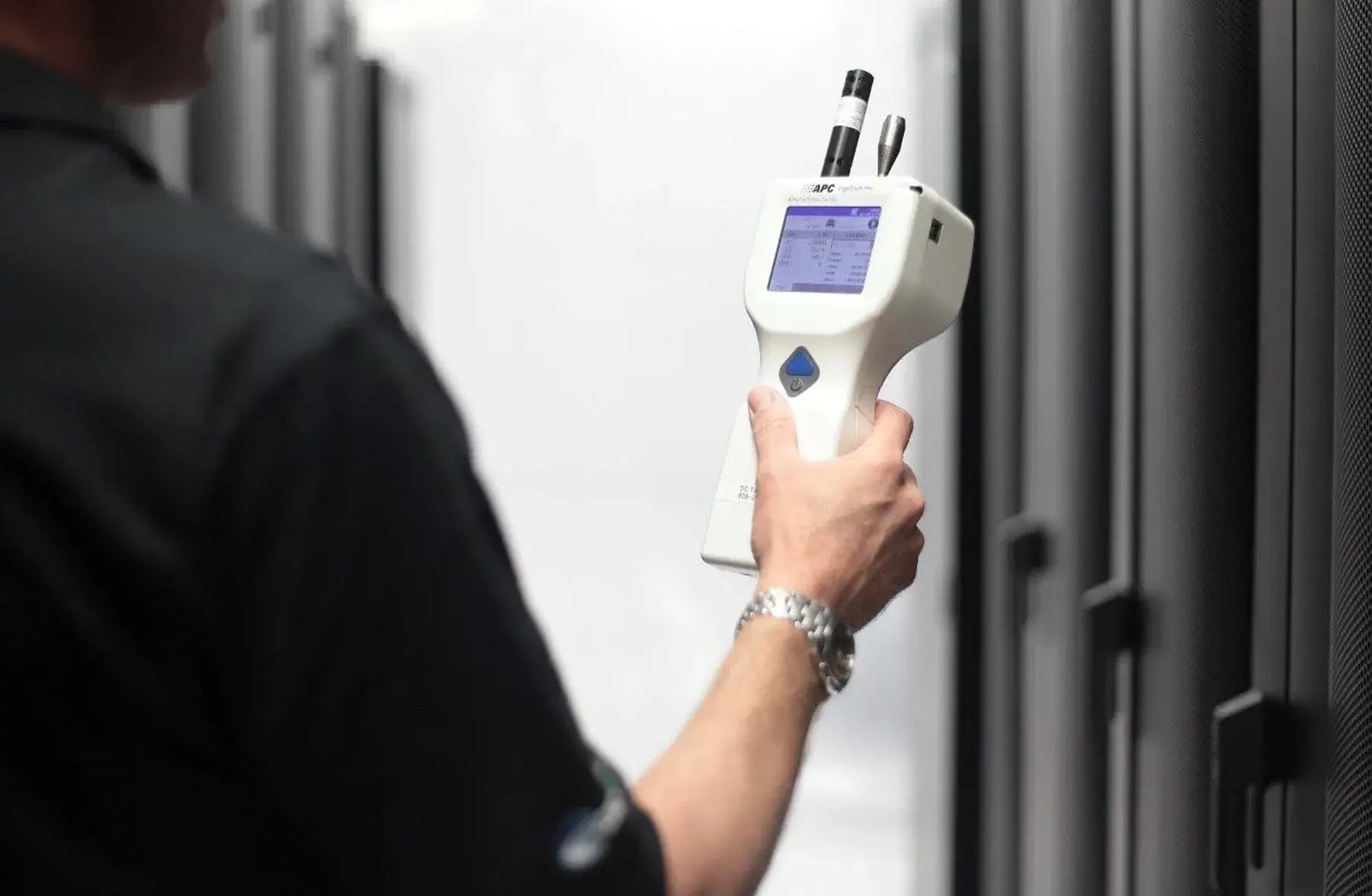
A pro will place a specialized device in the lowest livable area of your home. This might be your basement or a ground-floor bedroom.
The device stays in place for at least 48 hours to gather an accurate air sample. You have to keep your windows and doors closed as much as possible during this period.
Professional equipment is calibrated to ignore humidity and temperature spikes that can ruin a cheap store-bought test.
When You Should Schedule a Retest
You should not just test once and forget about it for twenty years. The earth under your home is constantly shifting and settling.
Major renovations or additions can also change how gas enters your living space. If you finish your basement or replace your HVAC system, you need a new reading.
Experts recommend radon testing every 2 years, even if you have a mitigation system. It is a small chore that ensures your family continues to breathe clean air.
Use Testing to Protect Your Property Value
A safe home is about more than just sturdy walls and a good roof. It is about the quality of the air you breathe every single minute you are asleep.
Radon is a serious threat, but one you can easily control. Once you have the data from a test, you can take simple steps to vent the gas away.
Don’t leave your family’s health up to chance or a lucky guess. Assurance Home Inspections is a professional home inspection company that identifies silent threats, such as radon, before they cause real damage.
We give you the hard data and clear answers you need to feel good about your house again. Reach out to Assurance Home Inspections today to schedule your radon testing.