You are building or purchasing a new house, and things are going well. However, the point is this: when the drywall is installed, much of the labor, such as wiring, plumbing, and framing, is permanently hidden. That’s where a pre-drywall inspection shines. Otherwise, brace yourself for costly surprises in the future. Let’s break down how a pre-drywall inspection can protect you, why it matters, and how you can make the most of it.
What is a Pre-Drywall Inspection
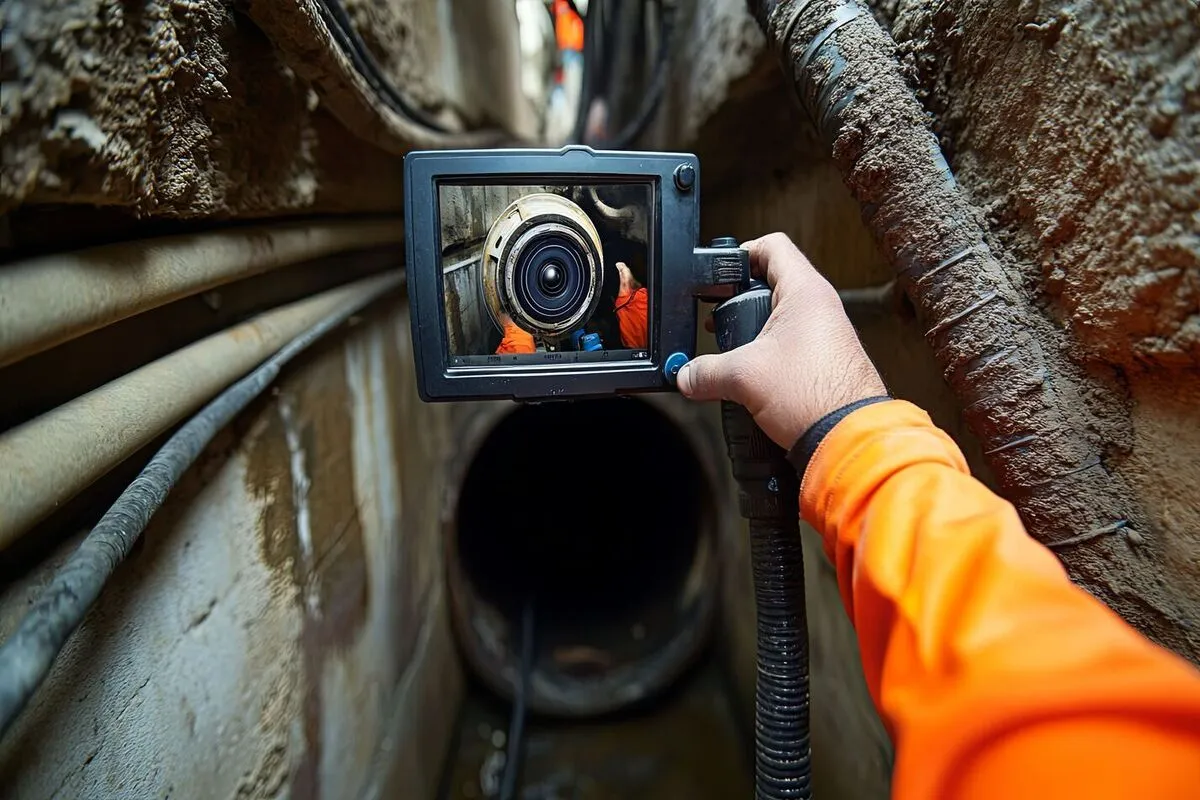
A pre-drywall inspection occurs during construction, after the rough-in work (plumbing, electrical, HVAC ducts) and framing are complete, but before drywall covers everything.
It gives you one last look over the walls to determine whether things were done well. In fact, home-construction programs require a pre-drywall inspection for certain builds.
When you buy a new home, asking for a homebuyer pre-drywall inspection means you’re taking proactive steps to protect your investment.
Why Skipping It Is Risky
Your house is new, but ‘new’ does not always imply ‘perfect’. One survey found that many buyers of new-construction houses found them flawed.
Here are some risks when you skip the pre-drywall inspection:
- Any problems concealed in drywall are costly to repair later.
- You lose the upper hand with the builder while the project is still going on.
- You will likely find yourself fixing problems that the builder should have addressed during the rough-in process.
- Structural repair is not inexpensive; it may well exceed $20,000 unless addressed early.
What the Inspection Covers
During a pre-drywall inspection, you are typically looking at the following:
- Framing and structural components: Beams and headers, studs, and load-bearing walls.
- Plumbing, electrical, and HVAC rough-ins: Ensuring proper installation of wires and pipes in the correct positions and providing protection.
- Insulation and moisture barriers (in some instances): Ensure they are checked before covering with drywall.
- Code compliance and overall workmanship: Ensuring that nothing was omitted or done shoddily.
Since all this will be covered by the drywall, the sooner the inspection is done, the more likely you are to find the issues.
Let’s Talk Numbers
Let’s look at a tangible stat. A pre-drywall inspection typically costs around $400 and is considered worth every cent, even though it’s not legally required.
In addition, research has revealed that many newly constructed homes continue to require upkeep earlier than anticipated. For example, a survey reports that 9 out of 10 new houses needed repairs sooner than the owners expected.
So a homebuyer pre-drywall inspection isn’t just a luxury, it’s a smart, protective move.
How to Make it Work for You
The following are some of the ways that you can make the most of this inspection:
- Schedule it at the right time, between the framing and wiring stages (rough-in) and before the drywall.
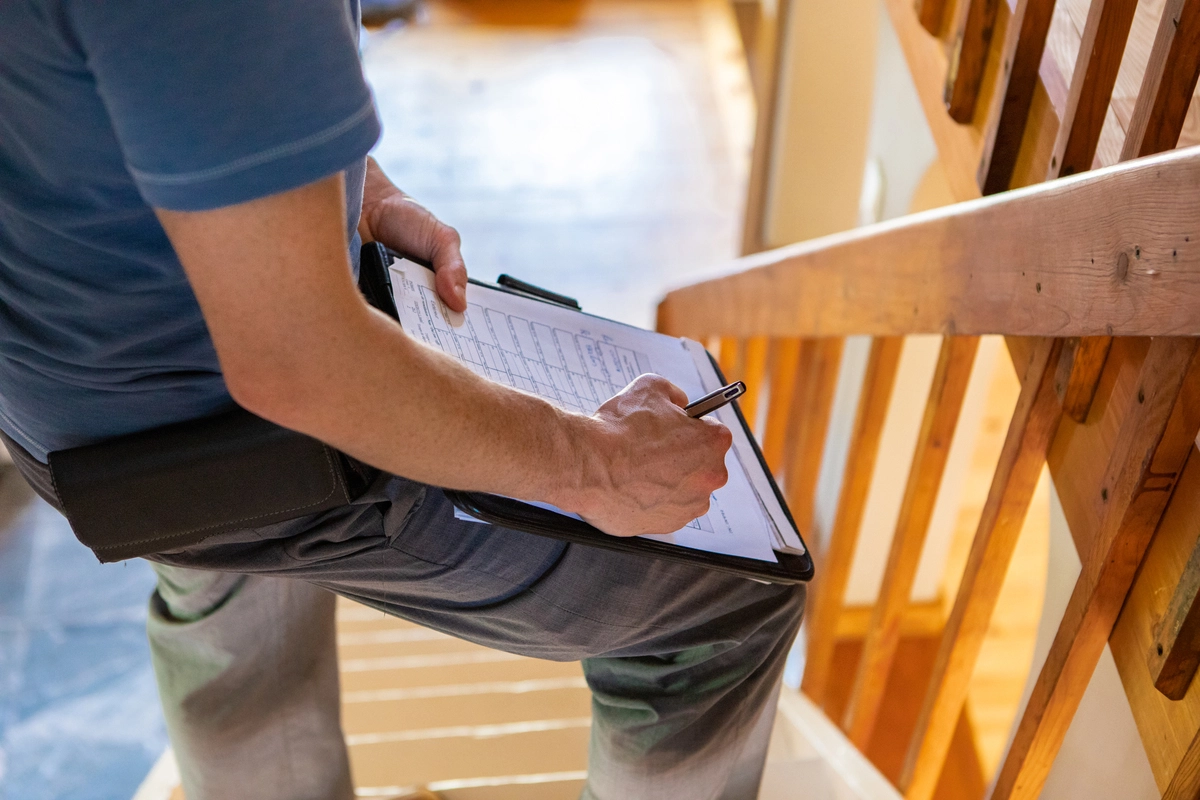
- Get an independent inspector who is familiar with new buildings. The builder’s inspection is not always sufficient.
- Be on-site or attend if you can. This provides insight and helps ask thoughtful questions.
- Use the report. After receiving the inspection report, pass it on to the builder and request that he address the problem-prone areas before sealing the walls.
- Document everything. Video, clear notes, and photos will help you later, not only for making corrections but also for keeping records or resale purposes.
The Benefits You’ll Get
Let’s bring it all together. A pre-drywall inspection gives you:
- Peace of mind – The job behind the walls was flawless.
- Cost savings – Fixing issues before the drywall is installed prevents more expensive, irreversible problems.
- Stronger leverage – Now you can more effectively request that the builder address the issues, as long as they are responsible.
- Better quality – You will have a better-built home because you addressed potential problems earlier.
- Fewer unexpected headaches – There are a few surprises when you move in or in the future.
Final Thoughts
When purchasing a new home or dealing with a builder, it is wise to consider each stage as a make-or-buy decision. A homebuyer pre-drywall inspection isn’t overly complicated or insanely expensive; it’s a strategic step that protects you from future headaches and costs. By taking action today, we can save a lot of regret tomorrow.
Conclusion
Transparency and quality should accompany you at every step when you invest in a new house. Scheduling a pre-drywall inspection ensures you’re not left wondering what was done behind the walls. It is among the best ways to safeguard your future maintenance budget and to enter your new house knowing you made the right choices.
Are you willing to have your new home investigated by a professional? Contact Assurance Home Inspections, your trusted partner for detailed pre-drywall inspections. We are experts at helping people who purchase homes identify any underlying problems before they manifest, threaten your peace of mind, and lead to expensive fixes. Don’t wait until after the walls have been closed. Contact us today and ensure your house is on solid ground.