
One morning, you wake up and find the ceiling sipping, the trim cracked, or the floor spongy. You might blame it on water damage or that the house is old. But what if the real culprit happens to be termites, which begin to chew on the framework of your house? It is the nightmare that hundreds of thousands of American homeowners experience each year.
A termite Inspection is your early-warning system. It is the difference between a simple repair, a complete remodel, or even the collapse of the building. In this blog, we’ll walk you through why regular termite inspections deserve a spot on your home maintenance calendar. You will discover how they secure your home and budget while ensuring peace of mind.
What Lies Beneath
Termites can rightly be referred to as silent destroyers. They are hidden behind walls, under floors, and in crawl spaces; places you don’t see very often. Termites cost the U.S. over $5 billion in property damage annually. That is no small number. Homeowners who find themselves on the wrong end of termite damage spend an average of around $3,000 in repairs.
Worse is the ease with which they evade detection. Many people never schedule a professional inspection; a recent survey revealed that 58% of homeowners have never had a professional termite inspection. That means many homes are at risk of a termite attack, and their owners are often unaware of it.
What a Good Termite Inspection Looks Like
So, what happens during a termite inspection? Let’s break it down:
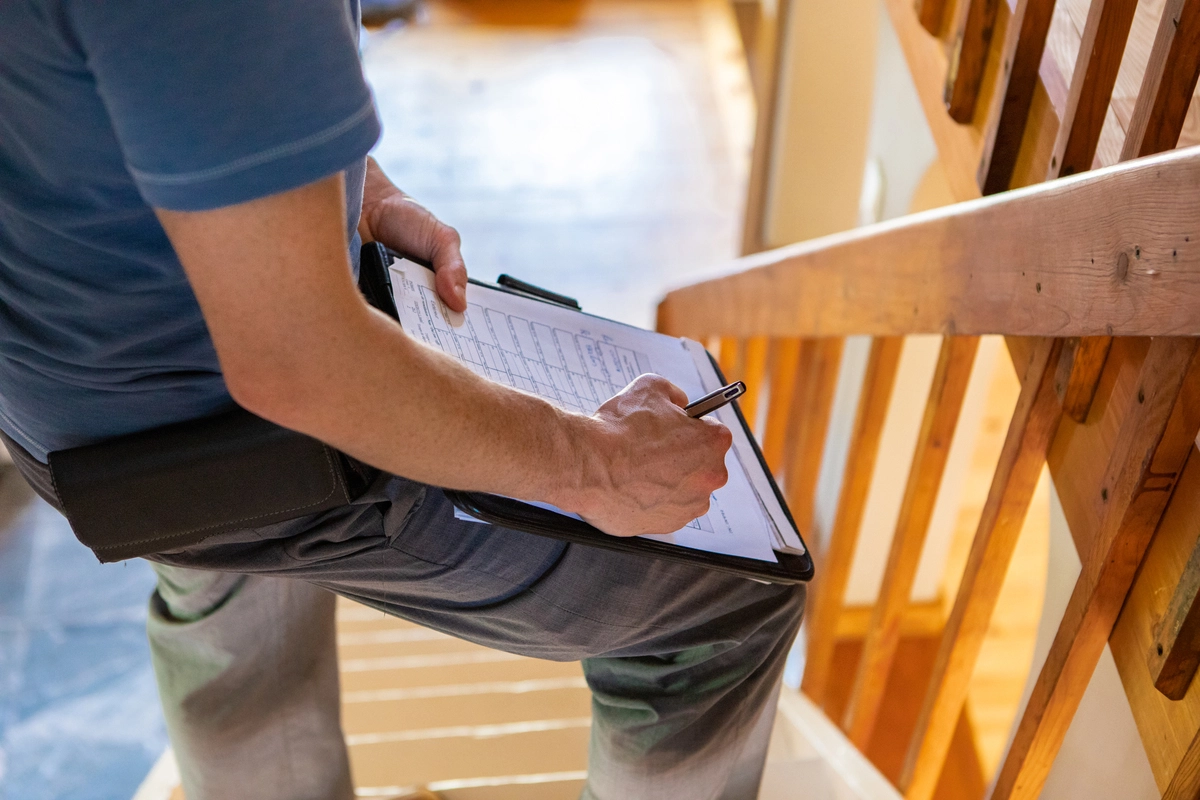
- A certified pest inspector visits the inside and outside of your home. Crawlspaces, attics, basements, wood-to-soil contact points, and outbuildings (such as sheds and decks) are inspected.
- Some of the telltale signs they seek include mud tubes, hollow wood, termite droppings, broken trim, and moisture problems.
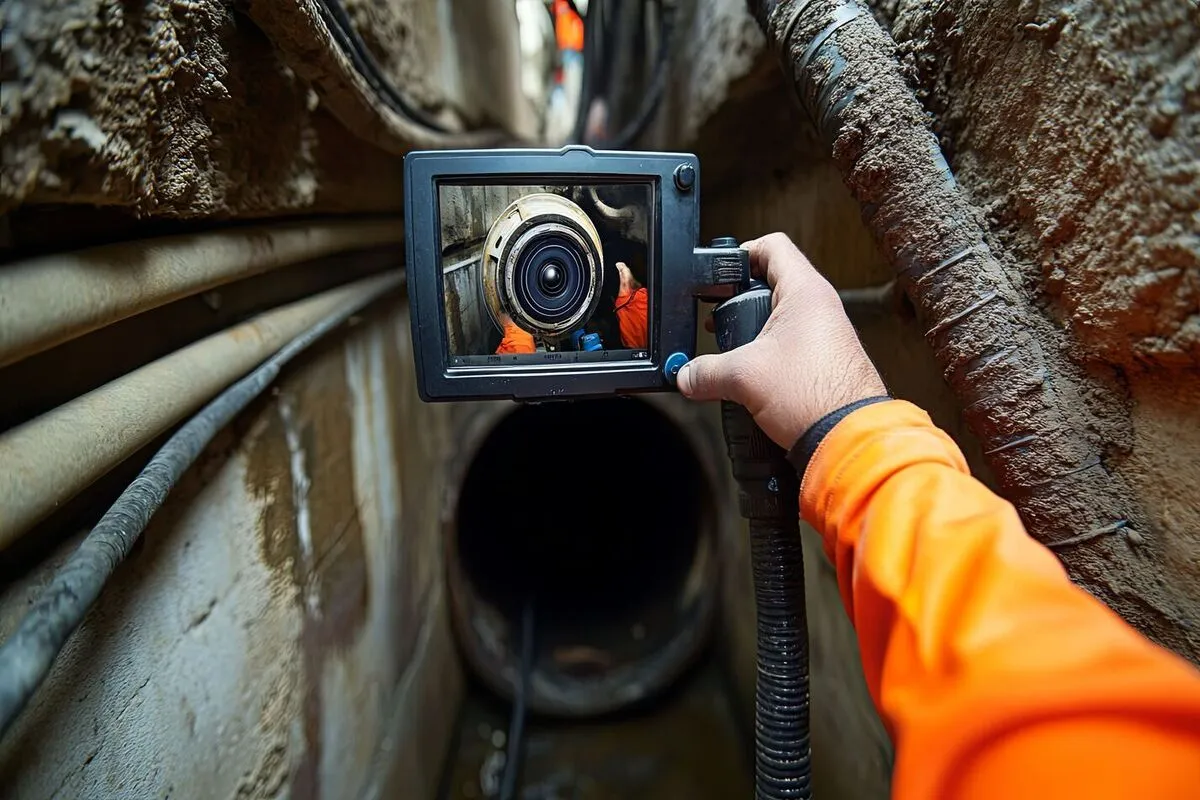
- They can install probes, moisture meters, and even infrared cameras, depending on the level of service provision.
- A termite inspection typically lasts 30 minutes to 1 hour, depending on the size and design of the house.
- The inspection findings are documented in a detailed and comprehensive report. It specifies the extent of termite infestation, the places where they are found, and recommended action. It may also contain images of termite damage and evidence of their presence. With that, you can make informed decisions before the situation escalates.
Why Regular Termite Inspection Is Non-Negotiable
If you are still unconvinced about termite inspection, here are some reasons that demonstrate why it is indispensable.
1. Early Detection is Crucial
It is better to detect termite activity in the initial stages, when the damage is minimal. Wait long enough, and you might have to do major structural repairs. Termites destroy wood by gnawing from the inside; therefore, they can go undetected until the damage is extensive.
2. Maintain Your Home’s Value
Termite damage can be a deal killer during the homebuying process. A home inspection that includes a termite inspection gives buyers confidence. If any issues are found, the buyer will want the seller to rectify them. Regular examinations will ensure that it is not the case.
3. Protect Your Investment
The risk increases if you purchase an older house, one in which the wood is in direct contact with the soil or is situated in an area where termites are known to thrive (such as the Southeast, Gulf Coast, or parts of California). Routine maintenance is like your structural insurance.
3. Meet Lender or Insurance Requirements
A wood-destroying insect inspection or clearance letter is often a requirement when purchasing or refinancing a home. With a recent, documented inspection in your file, those requirements become less challenging to fulfill.
5. Peace of Mind
Being aware that your home has been inspected and either declared clean or treated will alleviate the constant concern of potential pest damage.
Real Life Examples: The Cost of Failing Inspections is Real
A home inspector failed to report the presence of termite damage, which led to a lawsuit and a substantial settlement.
A homeowner thought that their new house was safe. However, when a part of their ceiling began to collapse, they discovered a termite nest deep within the building. Repair, disruption, and treatment cost thousands.
These stories emphasize high stakes. Skipping a termite inspection ignores the risk, which is best managed when detected early.
How Often Should You Get a Termite Inspection
One inspection isn’t enough. To remain safe, maintain this routine:
- Annually: For most homes, a yearly termite inspection is ideal. The frequency is helpful to detect infestation before the damage becomes compounded.
- Post-major changes: Schedule an inspection after making structural changes to your home. It may include remodeling, adding a deck, changes in landscaping, or implementing moisture control measures.
- Before buying or selling: Never skip a termite inspection during a real estate transaction. It should be a standard practice.
- If required by warranty: If you’ve had termite treatment or a termite warranty, the warranty provider may require periodic inspections.
Simple visual inspections can cost $100, and more serious inspections can cost up to $325. Some pest inspection companies may also give free inspections as an incentive.
Tips to Get the Most from a Termite Inspection
- Call a licensed pest control professional or wood-destroying organism (WDO) inspector.
- Be present during an inspection to ask questions and point out any suspicious areas.
- Fix water problems (leaky pipes, improper drain system, etc) before inspection; termites are fond of damp wood.
- Store wood, trash, or mulch away from the foundation.
- Document all inspections and treatments, as future buyers or inspectors will require them.
Do not count solely on DIY techniques. You can see obvious signs, but you cannot see through walls or slabs.
Conclusion
A home is more than a building; it is the place where your family lives and you create memories. A termite Inspection is one of the most effective and affordable tools at your disposal to protect that investment. Regular check-ups will help you detect damage early, reduce the cost of repairs, and enable you to make informed decisions. The Importance of termite inspection can’t be overstated; it’s practical, preventive, and proactive.
Are you waiting for a crack or a sagging wall? Don’t let termites silently eat your home. Include termite inspections as part of your annual home maintenance routine. It is far cheaper to prevent than to raise support beams or rebuild a wall.
Do not risk your home’s condition. Let Assurance Home Inspections serve as your watchdog. Our experienced inspectors use the latest gear and techniques to identify termites before they escalate into disasters. Schedule your professional termite inspection today and gain peace of mind.