
Short Answer: Radon testing typically takes at least 48 hours for a standard short-term test, although some methods require several days. Long-term tests run for more than 90 days to provide a better estimate of average radon levels. Results from electronic monitors may be available the same day testing ends, while laboratory-based kits can take additional time for processing and delivery.
You are racing toward a home purchase deadline, and the inspection report calls for an environmental check.
Nobody wants closing day delayed by weeks of lab waiting times.
Radon is completely invisible, silent, and scent-free. You cannot spot it with your naked eyes or smell it coming through the basement slab. Understanding the testing clock helps you keep real estate deals moving without cutting corners on personal safety.
This guide breaks down test timelines, explains the rules you must follow, and clarifies how long radon testing takes under real-world conditions.
How Long Does Radon Testing Take for Most Properties
Standard short-term radon tests can take anywhere from 2 to 90 days, depending on the device and testing protocol. Many professional real estate evaluations use continuous electronic monitors for at least 48 hours.
Long-term assessments run for more than 90 days to provide a better picture of average indoor radon levels over time.
The method you pick dictates your exact wait time:
| Test category | Typical duration | Equipment used | Primary purpose |
| Short-term electronic test | At least 48 hours | Continuous electronic monitors | Real estate sales and rapid checks |
| Charcoal passive test | Device-dependent; often several days | Activated charcoal canisters | Low-cost DIY screening |
| Other short-term tests | 2-90 days, depending on the device | Charcoal liquid scintillation or electret ion chambers | Initial assessment |
| Long-term test | More than 90 days | Alpha-track detectors or electret ion chambers | Better estimate of year-round average exposure |
The EPA recommends a minimum 48-hour testing period for radon tests, although certain devices have longer minimum exposure times. A test that ends prematurely may not meet the applicable protocol, so always follow the device instructions and your inspector’s requirements.
What Historic Incident Put Radon Testing in Homes on the Map
Radon testing in homes became a major public concern in 1984 after nuclear engineer Stanley Watras set off radiation alarms while entering his workplace at a nuclear power plant in Pennsylvania.
Investigators discovered that the radiation was associated with radon in his family home rather than contamination picked up at work. His case helped bring national attention to the dangers of indoor radon exposure.
Radon is a naturally occurring radioactive gas that can enter buildings through cracks, construction joints, and openings in foundations. Its presence cannot be determined by sight or smell, which makes testing essential.
According to the Centers for Disease Control and Prevention (CDC), radon is the second-leading cause of lung cancer in the United States after cigarette smoking. Radon exposure contributes to approximately 21,000 lung cancer deaths annually.
These risks explain why radon testing in homes is an important part of a property inspection, particularly when buyers plan to occupy a basement or another lower-level living space.
Why Do Short-Term and Long-Term Timelines Differ
Short-term tests deliver fast results for pressing deadlines, whereas long-term tests average out fluctuations caused by changing weather patterns and other conditions.
Soil gas does not seep into your home at an identical pace every hour of the day. Indoor radon levels can change with temperature, air pressure, ventilation, and soil conditions.
Winter weather can increase radon levels in some homes because temperature differences between indoors and outdoors may create a stack effect. This pressure difference can draw more soil gas through openings in the foundation.
Heavy rainstorms and strong winds can also affect indoor radon measurements, although their effects vary depending on local soil conditions, the building, and the weather.
A 48-hour monitor provides a measurement of radon levels during that particular testing period. It does not necessarily establish the home’s worst-case level or its annual average.
Long-Term Tests: In contrast, a nine-month alpha-track test provides a longer-term measurement that better reflects variations across different seasons. It estimates radon concentrations during the testing period rather than a person’s lifetime exposure.
If time permits, long-term testing can help confirm initial short-term results and provide a more representative picture of year-round indoor radon levels.
What Closed-House Rules Affect How Long Radon Testing Takes
Closed-house rules help maintain consistent conditions during short-term radon testing.
For tests lasting between two and four days, keep windows and exterior doors closed for at least 12 hours before testing begins and throughout the testing period. For longer short-term tests, closed-house conditions are also recommended. Specific requirements may vary by protocol and jurisdiction.
If these conditions are not maintained, the results may be unreliable, and another test may be necessary.
Short-term tests can be sensitive to changes in airflow. Opening several windows may lower indoor radon concentrations temporarily, producing readings that do not represent the home’s normal conditions. Exhaust fans and other ventilation equipment can also affect air pressure and radon entry.
Protect the integrity of the test by following these operating conditions:
- Keep all windows closed on every level of the structure.
- Use exterior doors only for normal, brief entry and exit.
- Maintain normal heating and air-conditioning settings.
- Avoid operating fans or ventilation systems that bring in outside air, unless the testing protocol allows them.
- Avoid testing during severe storms or periods of unusually high winds when conducting short-term tests lasting less than four days.
- Follow the test device’s placement and operating instructions.
If testing conditions are disrupted, contact your inspector or testing laboratory before deciding whether the test must be repeated. Do not assume that every interruption automatically invalidates the results.
How Fast Do You Receive the Actual Test Results
Your turnaround time depends heavily on whether your inspector uses digital continuous monitors or passive mail-in collection devices.
Passive charcoal kits require shipping to a laboratory for analysis, which adds time after the sampling period ends. The exact turnaround depends on the laboratory, shipping arrangements, and whether expedited processing is available.
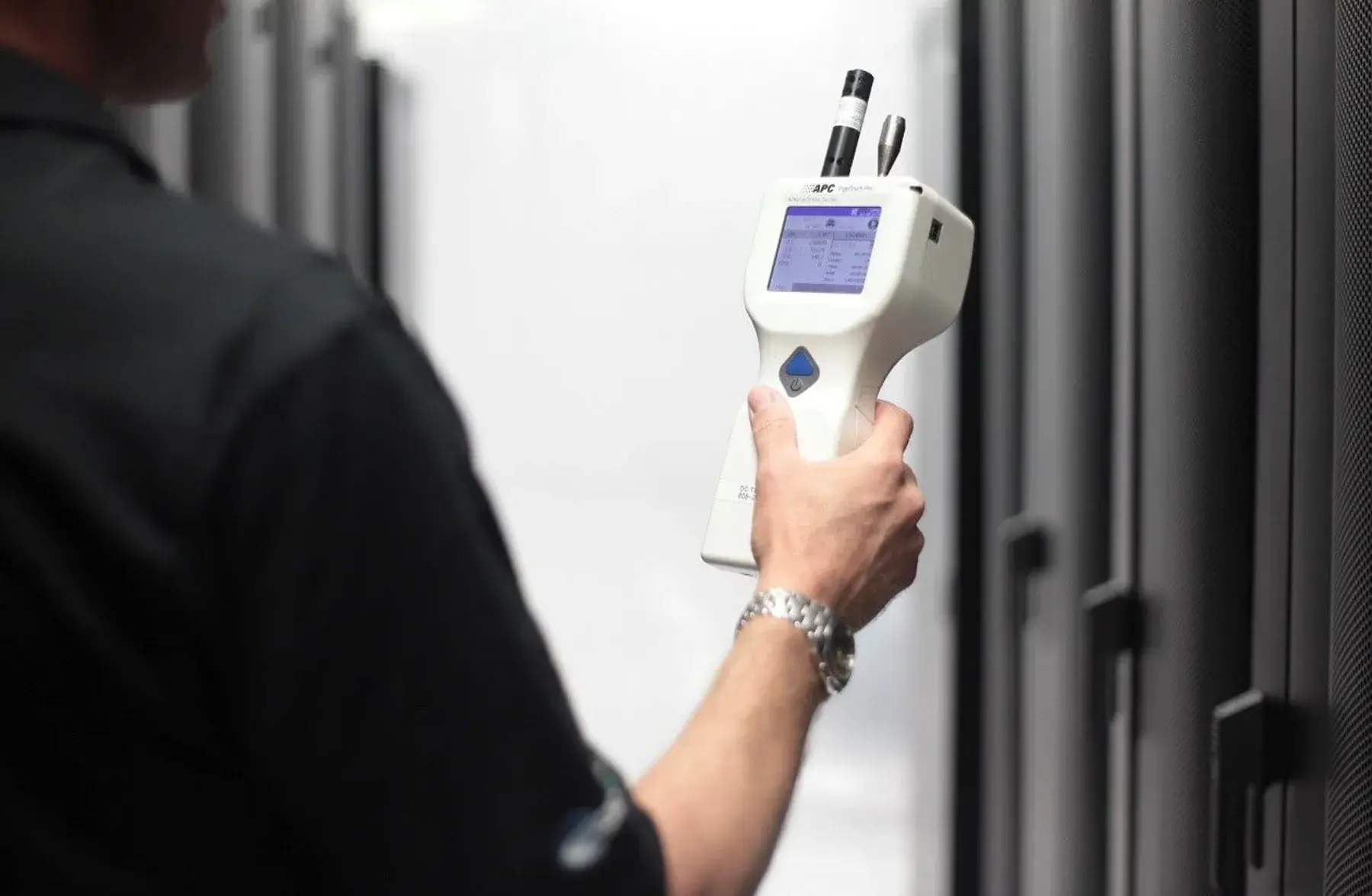
Professional continuous radon monitors record measurements throughout the testing period. Depending on the equipment, they may also log environmental conditions such as temperature, humidity, and barometric pressure.
Once the required monitoring period ends, the inspector can download and review the recorded data. You may receive the results that day, but report preparation and delivery times vary by provider.
For this reason, allow time for both the measurement period and the final report. If you’re working toward a real estate closing deadline, ask your inspector about equipment requirements, reporting times, and any potential delays before scheduling the test.
The Timeline for Radon Testing in Homes
Rushing an environmental evaluation is tempting when financing contingencies and closing dates loom overhead.
Cutting corners on testing, however, can leave you with misleading results and an incomplete understanding of potential exposure.
Remember that how long radon testing takes depends primarily on the testing method, the required measurement period, and whether the testing conditions remain appropriate.
Set up the monitor, maintain the required closed-house conditions, and let the device complete its full testing cycle.
Those measurements can give you useful information to discuss with the seller, negotiate repairs where appropriate, or arrange an active radon mitigation system if needed.
A short-term test is a practical starting point when time is limited, while longer-term testing may provide a more representative estimate of average indoor radon levels.
Book Accurate Testing with Professional Inspections
Do not let hidden soil gases put your family or property investment at risk. Assurance Home Inspections offers professional radon testing using continuous monitoring equipment over a typical 48-hour testing period, subject to the applicable protocol and device requirements.
Contact us today to discuss scheduling, turnaround times, and professional radon testing before you finalize your next property purchase.
FAQs
1- Can you speed up how long radon testing takes to less than 48 hours?
Generally, no. The EPA recommends at least 48 hours for radon testing, and some devices require longer. Shortening the required measurement period may make the results unsuitable for the intended purpose. Always follow the applicable protocol and your testing device’s instructions.
2- What indoor radon reading requires mitigation?
The EPA recommends fixing a home when the radon result is 4.0 pCi/L or higher. If the reading falls between 2.0 and 4.0 pCi/L, you should also consider reducing radon levels. A qualified radon professional can help you determine appropriate next steps.
3- Does rainy or windy weather distort test results?
Weather can affect indoor radon concentrations by changing air pressure, ventilation, and the movement of soil gas. The impact varies by property and conditions. For short-term tests lasting less than four days, avoid testing during severe storms or unusually high winds.
4- Where should a radon test monitor sit inside the house?
The test device should generally be placed on the lowest level suitable for regular occupancy, such as a finished basement or ground-floor living room. For applicable short-term tests, place the device at least 20 inches above the floor, away from drafts, exterior walls, high heat, and high humidity. Always follow the device instructions and your inspector’s placement requirements.