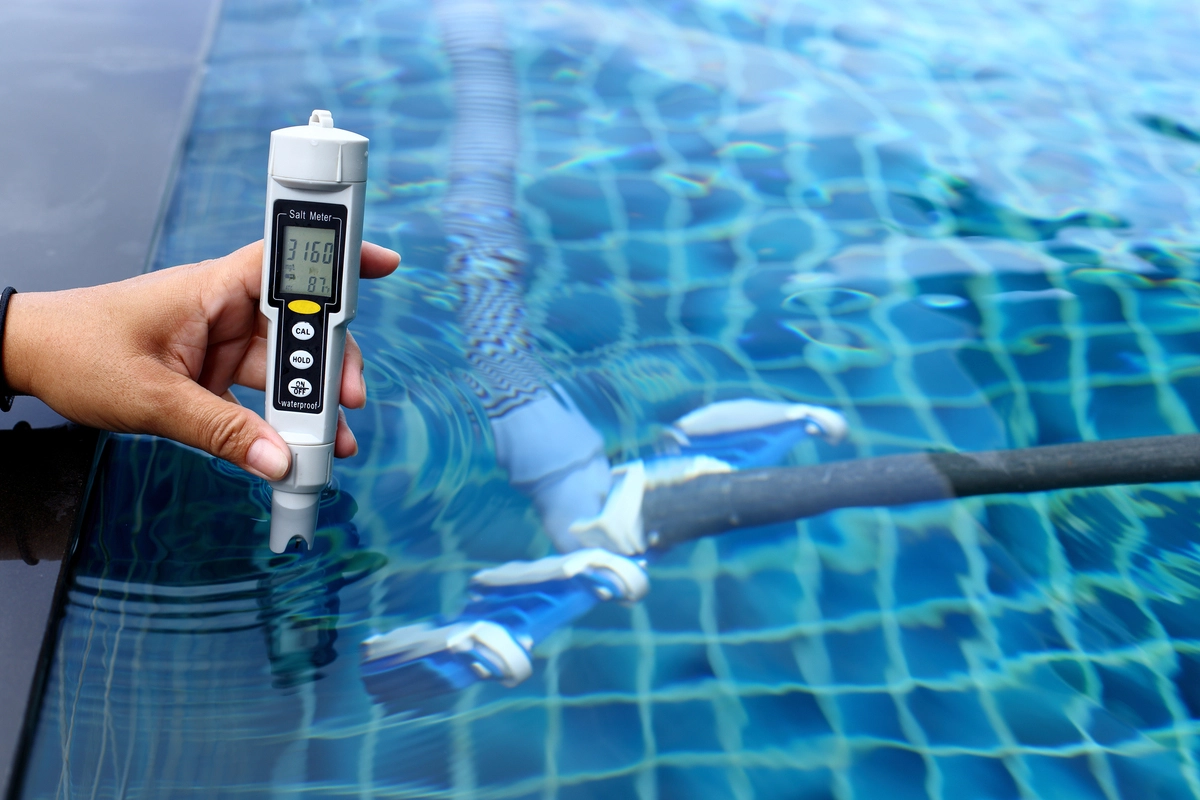
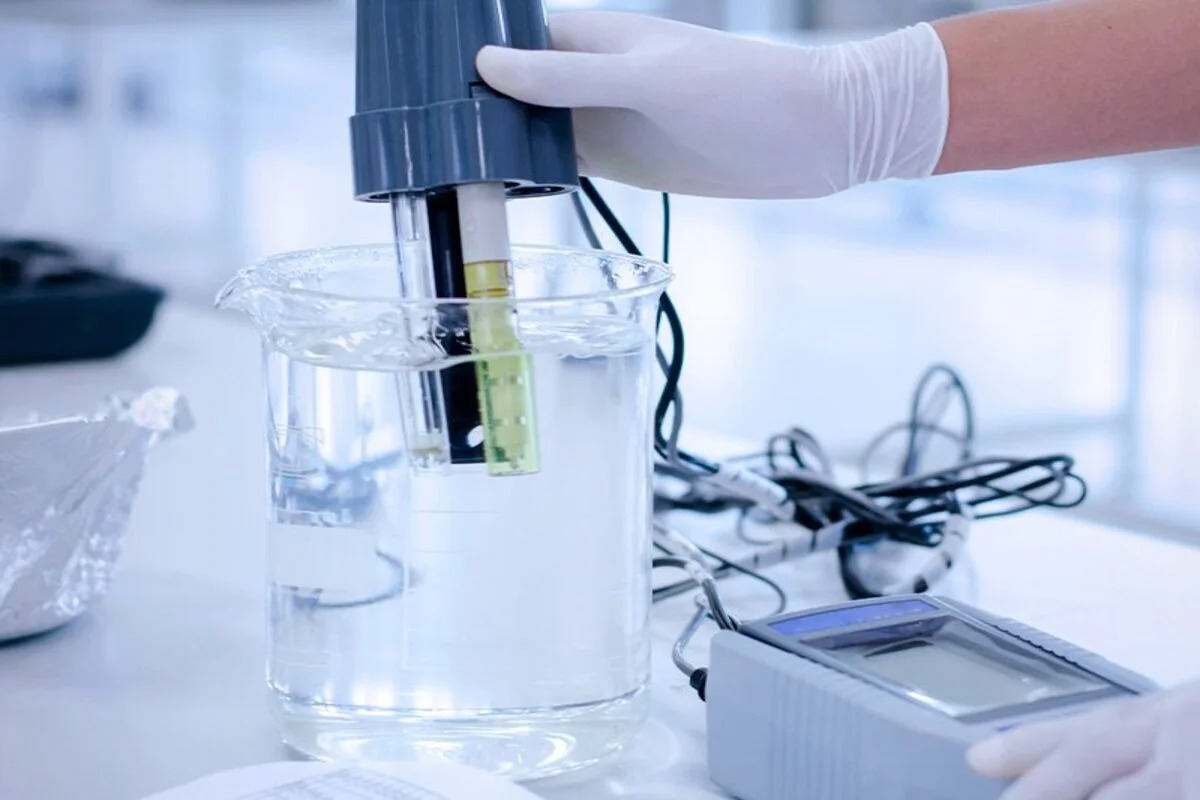
A recent study found that nearly 20% of private wells tested across the country contained at least one contaminant at a level high enough to cause health concerns. You might think your tap water is perfectly safe because it looks clear and tastes fine. However, many of the most dangerous toxins have no smell, no color, and no taste.
This blog explains the most frequent water quality test problems found in American homes today. Reading this will help you understand what might be hiding in your pipes so you can keep your family safe from invisible threats. You will learn exactly what to look for and when to call in the pros for a professional water quality test.
The Hidden Danger of Lead in Older Pipes
Lead is perhaps the most infamous villain in water-quality testing problems. It often leaches into water from old brass fixtures or lead pipes found in homes built before 1986. There is no safe level of lead exposure for children, according to the Environmental Protection Agency (EPA).
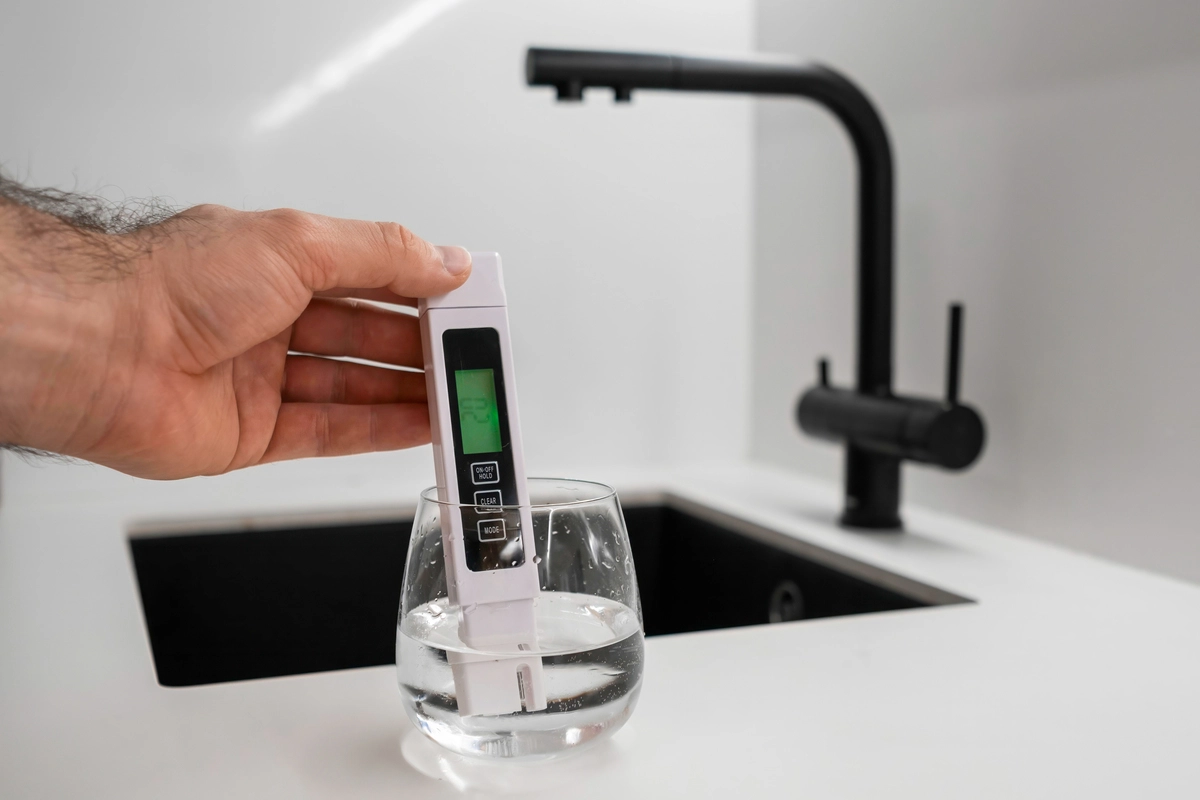
A standard water-quality test is the only way to determine whether lead is present. Since you cannot see or smell it, you could be drinking it for years without knowing. This is why a water quality test is a non-negotiable step when buying an older home.
Why Your Water Smells Like Rotten Eggs
If you turn on the faucet and get a whiff of something like a swamp, you likely have a sulfur problem. This smell is usually caused by hydrogen sulfide gas. While it is not always a major health risk, it is incredibly unpleasant and can ruin the taste of your food.
This gas often comes from sulfur-reducing bacteria that live in low-oxygen environments, such as deep wells. It can also be a sign of a chemical reaction happening inside your water heater. If the smell occurs only when you run hot water, your water heater’s “anode rod” might be the culprit.
Solving this issue usually involves treating the well with chlorine or replacing plumbing parts. Testing the water will confirm if the smell is just an annoyance or a sign of a deeper bacterial infestation.
The Rise of Forever Chemicals
PFAS (Per- and Polyfluoroalkyl Substances) and PFOA (Perfluorooctanoic Acid) are often called “forever chemicals” because they do not fully break down in the environment or in your body. These chemicals were used for decades in non-stick pans, firefighting foam, and waterproof clothing. They have now contaminated groundwater supplies across the United States, and millions now use it.
In 2024, the government set the first-ever national standards for these chemicals in drinking water. This was a response to growing evidence linking them to cancer and liver damage.
Many standard city filters are not designed to catch these tiny molecules. If you live near a military base or an old industrial site, this is a major concern. A specialized water quality test is often needed to detect these specific toxins.
Bacteria and the Danger of E. Coli
Coliform bacteria are a broad group of germs that usually do not make you sick, but they act as a warning sign. If a water quality test detects total coliform, it means your water system is vulnerable. It suggests that surface water or sewage is leaking into your supply.
The real worry is E. coli, which is a specific type of fecal bacteria. If this shows up in your results, you have a serious problem that requires immediate action. This is common after heavy flooding or if a septic tank is too close to a well.
The Centers for Disease Control and Prevention (CDC) provides a list of symptoms and risks associated with waterborne germs. Never drink water that has tested positive for E. coli until the system is professionally disinfected.
Hard Water and the Cost of Scale
Hard water is not usually a health hazard, but it is a major headache for homeowners. When your water has high levels of dissolved minerals, such as calcium and magnesium, it becomes hard water. You will notice white, crusty buildup on your showerheads and spots on your clean dishes.
Over time, this “scale” builds up inside your water heater and pipes. It makes your appliances work harder and die sooner. It can also cause dry skin and dull hair after every shower.
A water quality test can measure the exact “grains per gallon” of hardness in your water. This number helps you decide if you need a water softener. It is a smart move that can save you thousands of dollars in plumbing repairs over the long run.
Nitrates From Farming Runoff
If you live in a rural area or near large farms, nitrates are a common concern. These chemicals often come from fertilizers or animal waste that seeps into the ground. While adults can handle some nitrates, they are very dangerous for infants.
High nitrate levels can interfere with a baby’s ability to carry oxygen in their blood. This leads to a dangerous condition often called “Blue Baby Syndrome.” It is a scary thought for any new parent.
Because nitrates are tasteless and odorless, you must test for them annually if you have a private well. This is where it gets tricky, because nitrate levels can change with the season and the amount of rain you get.
Arsenic: The Natural Poison
Arsenic is a naturally occurring element in the Earth’s crust, but that does not mean it is safe. In certain parts of the country, high levels of arsenic leach into the groundwater. Long-term exposure is linked to skin problems and several types of cancer.
The U.S. Geological Survey (USGS) has mapped out the areas where arsenic is most common.
Filtering out arsenic requires specialized equipment, such as reverse osmosis systems. You cannot boil arsenic out of water. In fact, boiling the water actually increases the concentration of the poison as the water evaporates.
How to Handle Your Test Results
When you get your results back, it can feel a bit overwhelming. You will see many numbers and chemical names that look like they belong in a lab. Do not panic if every number is not zero.
Most contaminants have a “Maximum Contaminant Level” (MCL). This is the limit set by the government for what is considered safe to drink over a lifetime. Your report will show you if your water is above or below these safe limits.
If your test shows a problem, the fix is usually straightforward. It might be as simple as a carbon filter or as complex as a whole-house treatment system. The key is knowing exactly what you are fighting, so you do not waste money on the wrong equipment.
Protect Your Home and Health with Confidence
Keeping your water clean is one of the most important aspects of homeownership. You use water for everything from cooking dinner to bathing your kids. Knowing it is free of lead, bacteria, and chemicals gives you a level of comfort hard to put a price on.
It is always better to be proactive rather than reactive when it comes to your health. A small investment in a water quality test today can prevent a massive medical or plumbing bill in the future. You deserve to know that your home is a safe haven.
If you are worried about what might be in your pipes, it is time to get professional help. Assurance Home Inspections is a professional home inspection company that specializes in identifying potential risks in your home. Our experts provide detailed testing and clear answers to help you make the best decisions for your family. Give us a call today to schedule your comprehensive inspection and get the peace of mind you deserve.