
You step into your home after a hard day at work, and the peaceful ambiance of your home instantly draws you in. It’s your home, your comfort zone, where you come to relax and where everything is in order, as you wish. Don’t we all love the serene atmosphere of a loving home?
But what if we tell you something dangerous is brewing up inside your home? Something that may be literally chomping the wood beneath your feet? The destruction caused by wood-destroying pests in the U.S. is immense each year. Homeowners spend, on average, $3,000 to repair unmitigated termite or pest damage.
That’s where a WDI inspection can save you thousands. In this blog, you will get the exact knowledge on how to identify the red flags that say, “it is high time you get an inspection.” Use this as the radar for your home, helping you identify issues early before they escalate into expensive tragedies.
What Is a WDI Inspection Anyway
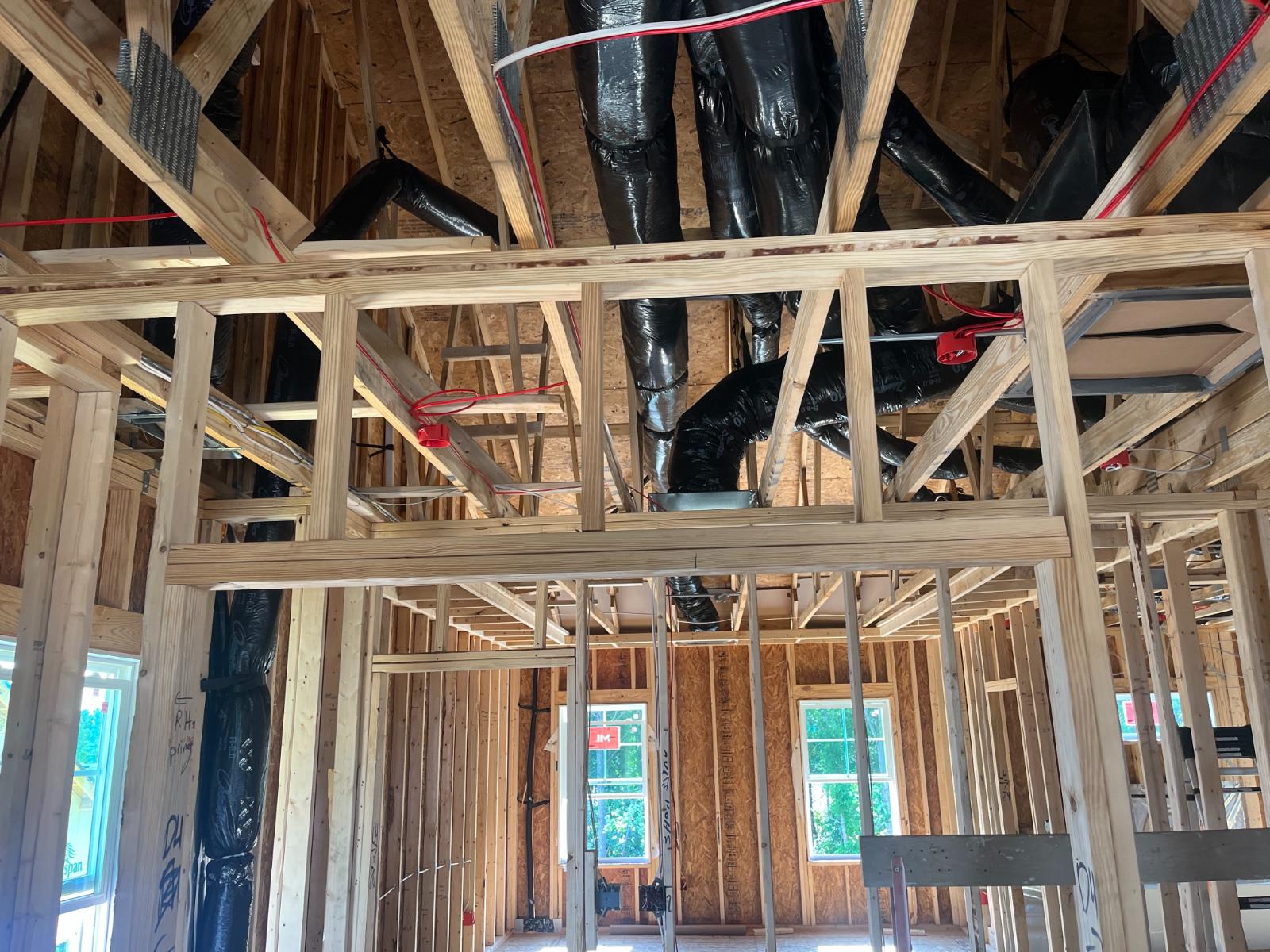
A WDI inspection stands for wood-destroying insect (or organism) inspection. It is not just a simple glance under the sink or behind the door. Everything, including crawl spaces, attics, exterior wood, and foundations, is thoroughly inspected by a trained inspector for signs of pests such as termites, wood-eating beetles, carpenter ants, or fungi.
It also tests for conditions that expose your home to danger, such as wood in contact with the soil, moisture accumulation, and poor drainage, as well as other signs that pests may be hiding in various areas of your home.
Using a WDI inspection checklist during the visit helps ensure nothing gets overlooked.
When Should You Consider Getting One
Even if you don’t see anything wrong right now, several red flags should trigger a WDI inspection. Consider one under the following situations:
- You are buying a house, particularly an old house, or one that is, or was, likely to have a termite infestation.
- When you are buying a house, and have no clue what is behind the walls or under the floor. Remember, many home insurance policies do not cover termite damage.
- Wood sounds hollow when tapped.
- Sagging or buckling floors.
- Wood trim, baseboards, and window sills have small holes.
- Fine sawdust or powder near wood (possibly termite droppings).
- Crumbling wood.
- Exterior walls/foundations have mud tubes.
- Water leaks, drainage, or moisture problems. Termites thrive under moist conditions. A WDI inspection will check for those vulnerability factors.
- You spot discarded wings at windows, heaps of sawdust, or even live bugs.
If you spot any of these troubling signs, call professional help without delay. Left to their own devices, termites will multiply and cause heavy structural damage. Inspections can tell you whether it is just a simple pest issue or an outright, large-scale infestation that needs treatment.
Why Ignoring This Could Cost You Dearly
Pest and termite damage are not cosmetic aspects. They would undermine load-supporting beams, floor joists, floor boards, and structural elements of your house. That’s why doing a WDI inspection upfront can save you serious money in the long term.
Herein lies what too many homeowners discover to their disappointment:
- The support beams are hollowed out by beetles or termites, which may cause the floor or the structure to collapse or be weakened.
- Hidden water damage and pests leading to mold or rot, which extends to framing or flooring.
- Termite colonies that silently multiply over the years gnaw through the framing of the wood or the flooring, and you notice it only when the signs become apparent.
- The monetary cost accumulates over a short period. It involves more than just exterminating termites; repairing structural damage may cost thousands of dollars.
- Termite damage may not always be covered by insurance, as it is considered preventable.
What Happens During a WDI Inspection
When you schedule a WDI inspection, here’s what you should expect:
- Inspections through the crawlspace, attic, basement, and foundation.
- They seek signs of active infestations (live bugs, insect wings, frass/dust), historic damage (hollow or weakened wood), and conditions that may cause infestations (moisture, contact between soil and wood, leaks).
- They may use a WDI inspection checklist to systematically cover every potential risk area: wood beams, floor joists, sub-floor, windows, doors, siding, attic, basement, exterior wood decks or porches, etc.
- They present a report describing what they have found: an active infestation, post-infestation destruction, and whether it is at risk. This report is an important document when you are selling or buying a home.
WDI Inspection: An Investment, Not an Expense
Yes, WDI inspections cost money upfront. And compared with the risk of structural damage, skyrocketing repair costs, or a damaged resale value, the expense is minimal.
An average inspection would cost between $75 and $150, depending on the size and location of your house.
Given that active termite or pest problems may cost between $240 and $6,500 in treatment (not to mention possible structural repairs, safety concerns, or diminished resale value), an early investment in an inspection is a prudent and defensive measure.
How to Choose a Reliable WDI Inspector
To get the most from a WDI inspection:
- Select a qualified inspector who specializes in wood-destroying bugs, as well as structural damage detection.
- Ask for a full WDI inspection, not just a quick walkthrough. Ensure they use a proper WDI inspection checklist.
- Get a written report. It will especially come in handy when you are buying or selling a house.
- Should the report raise concerns, treat it as a bargaining tool to negotiate price adjustments, revisions, or even an outright opt-out of the purchase.
Conclusion
Don’t risk buying or living in a home without checking what’s under the floors, behind the walls, or beneath the foundation. A WDI inspection implies you are protecting your biggest investment: your home.
If you spot subtle warning signs, odd wood spots, moisture or drainage issues, unexplained wood dust, or even a faint “off” feel beneath your floors, trust your gut. Because, at that point, a WDI inspection isn’t optional. It’s an urgent must.