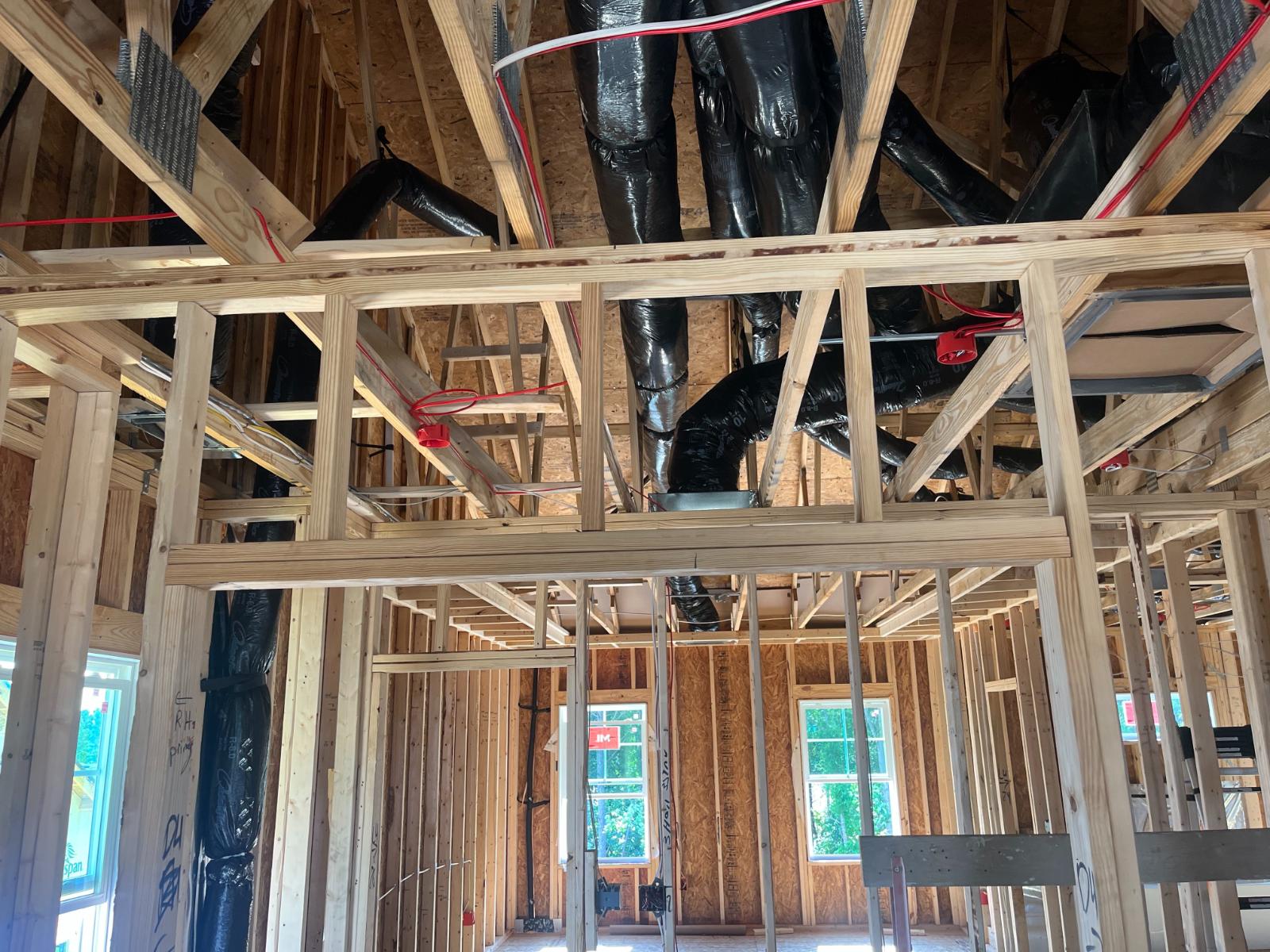
Short Answer: A pre-drywall inspection in Greensboro, NC helps identify hidden construction defects in framing, plumbing, electrical wiring, HVAC, and moisture protection before walls are closed. Catching these issues early makes repairs easier, reduces potential costs, and gives new-home buyers greater confidence in their investment.
Greensboro receives an average of 43.95 inches of precipitation annually, according to NOAA’s 1991–2020 climate normals. That’s a good reason to pay attention to how a new home is protected against moisture, especially around windows, exterior walls, and the foundation.
But new construction has a catch. Once drywall and insulation are installed, many of the components you’d want to check are hidden from view. A missed flashing detail or poorly secured plumbing line can become much harder to investigate later.
A pre-drywall inspection in Greensboro, NC gives you an opportunity to identify visible construction concerns while the walls are still open and repairs are generally easier to make.
What Happens During a Pre-Drywall Inspection in Greensboro, NC?
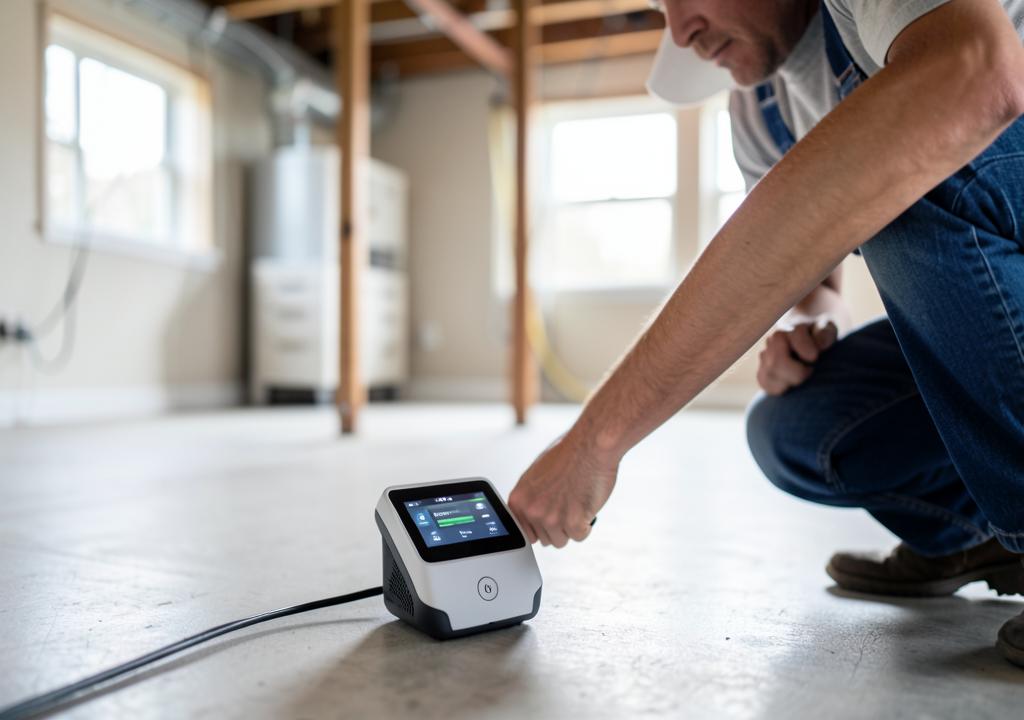
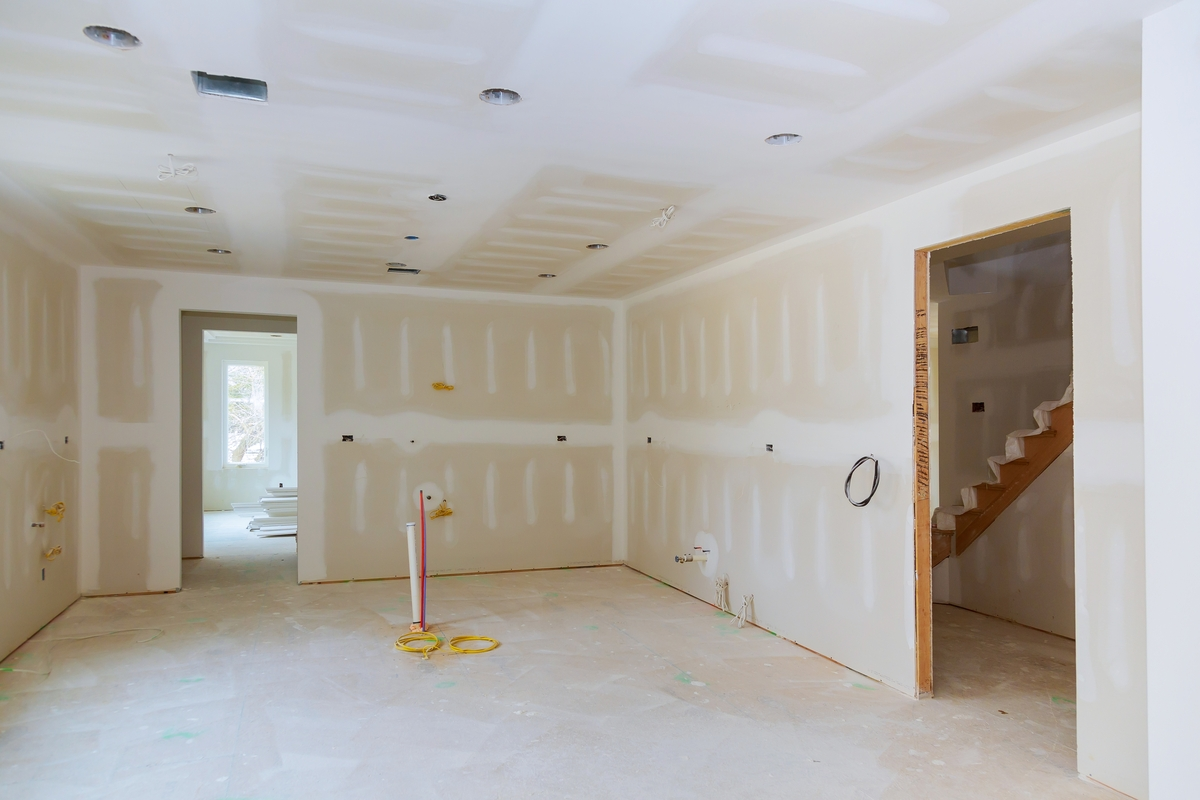
An independent inspector examines your unfinished home after framing and rough plumbing, electrical, and HVAC work are complete, but before insulation and drywall go in. You receive photographs and a written report documenting visible defects and concerns.
Construction mistakes can be costly. In August 2026, homeowner lawsuits against major builders D.R. Horton and Lennar involved moisture intrusion and mold allegations.
Improper window flashing, roofing, ventilation, and HVAC installation can contribute to moisture problems. A pre-drywall inspection helps identify visible concerns early, when repairs are generally easier and less disruptive.
Do You Still Need a Pre-Drywall Inspection If Guilford County Inspects Your Build?
Yes. Government inspections focus on code compliance, while independent home inspections provide an additional look at construction quality and potential defects.
Guilford County’s Inspections Department checks building, electrical, plumbing, and mechanical work at different construction stages. However, passing these inspections doesn’t mean every workmanship issue has been caught.
An independent inspector reviews accessible components, documents concerns, and helps you identify problems worth discussing with your builder.
Keep in mind that inspection jurisdiction varies by location. Greensboro has its own inspection services, while Guilford County handles unincorporated areas and certain municipalities.
| What Gets Checked | Government Inspection | Independent Pre-Drywall Inspection |
| Main focus | Applicable building-code compliance | Accessible components, workmanship, and observed defects |
| Structural framing | Required code checks | Additional visual review |
| Moisture barriers | Applicable installation requirements | Visible flashing and water-management concerns |
| Documentation | Inspection approval or correction notices | Client-focused written report and photographs |
What Do North Carolina’s Pre-Drywall Inspection Standards Require?
North Carolina introduced specific pre-drywall inspection standards under 11 NCAC 08 .1117, effective June 1, 2026.
The rule establishes standards for licensed home inspectors performing and reporting pre-drywall inspections. It covers accessible structural components, exterior cladding and flashing, roofing, plumbing, electrical systems, HVAC equipment, ductwork, and fireblocking and draftstopping.
Inspectors must also document components that were not inspected, explain observed defects and their potential implications, and recommend appropriate repairs, monitoring, or further evaluation.
This gives Greensboro homebuyers a clearer understanding of what a professional pre-drywall inspection should cover. It also makes choosing a properly licensed North Carolina home inspector particularly important.
How Do Greensboro Soil, Storms, and Septic Lines Affect New Builds?
While many Greensboro homes connect to public sewer, some properties in unincorporated Guilford County rely on private septic systems. Nearly 50% of North Carolina homes use septic systems.
Weather can affect septic systems, including saturated drainfields, soil compaction, and wastewater surfacing after heavy rainfall. These weather-related septic system problems make proper site drainage and septic maintenance especially important.
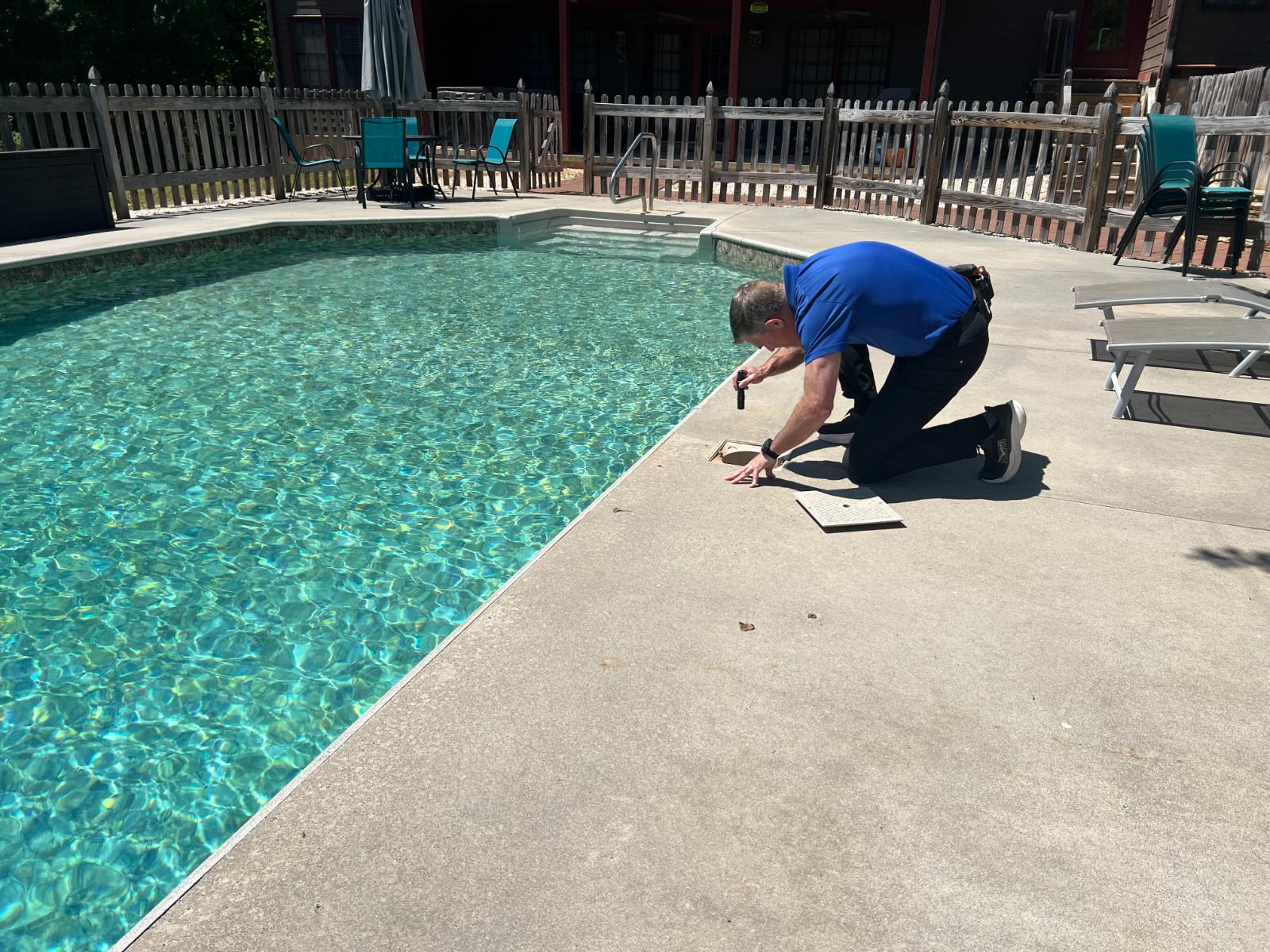
During a pre-drywall inspection in Greensboro, NC, your inspector can review accessible foundation waterproofing, crawlspace conditions, and visible drainage concerns. Septic tank and drainfield evaluations require separate assessment by qualified professionals.
What Happens If Your Inspector Finds a Problem?
Your inspector documents observed defects with photographs and written descriptions, explains their potential implications, and recommends appropriate corrective action or further evaluation.
Share the report with your builder and ask them to address identified concerns before insulation and drywall conceal the affected areas.
For significant repairs, consider arranging a follow-up inspection to verify the work was completed properly. Remember that an inspection is a visual assessment of accessible components, not a guarantee that every concealed defect will be discovered.
Protecting Your New Home With a Pre-Drywall Inspection in Greensboro, NC
Book your pre-drywall inspection in Greensboro, NC, with Assurance Home Inspections before the sheetrock crew rolls in.
We serve homebuyers across North Carolina with clear photographs and plain-English explanations of inspection findings.
Get a detailed punch list of concerns your builder can address before the walls close. Call or schedule online to arrange your build-phase inspection.
FAQs
1- When should I book a pre-drywall inspection?
Schedule it after framing, roofing, windows, and rough electrical, plumbing, and HVAC work are substantially complete, but before insulation. Share your builder’s target date with your inspector early so they can coordinate access.
2- Will my builder allow an independent inspector on site?
Many builders accommodate third-party inspections with advance notice and proof of insurance. Review your construction contract and the builder’s access and safety requirements before scheduling.
3- Do I still need a final inspection before closing?
Yes. A pre-drywall inspection reviews accessible framing and rough-in components, while a final inspection evaluates the completed home.