Your home’s air should be a haven, but unseen pollutants like mold, allergens, and VOCs can trigger allergies, respiratory issues, or fatigue, especially in Greensboro’s humid climate. Professional indoor air quality testing reveals these hidden threats, providing data on contaminants that standard cleaning may overlook.
An air quality test is a must for families with kids or elderly members. Residential indoor air quality testing, including mold testing, provides actionable insights to help you breathe easier.
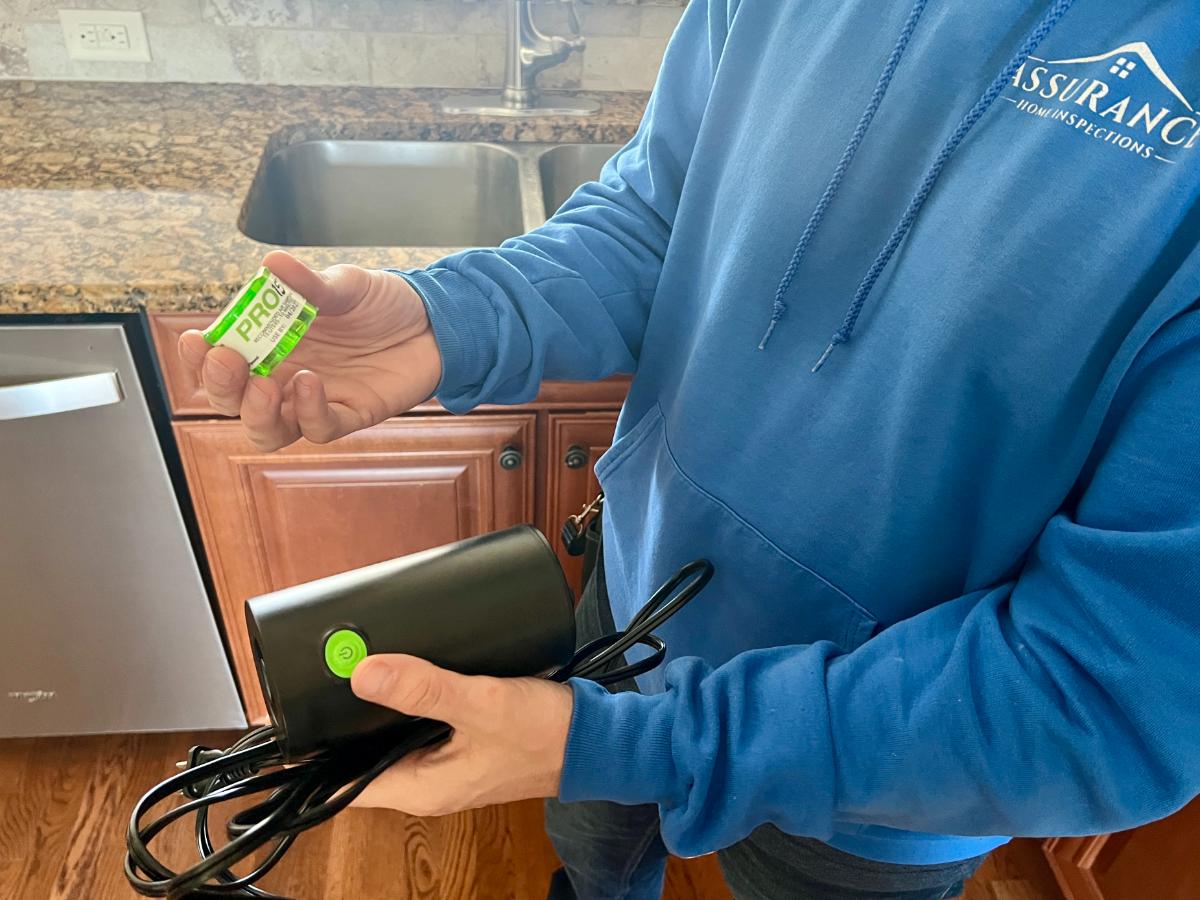
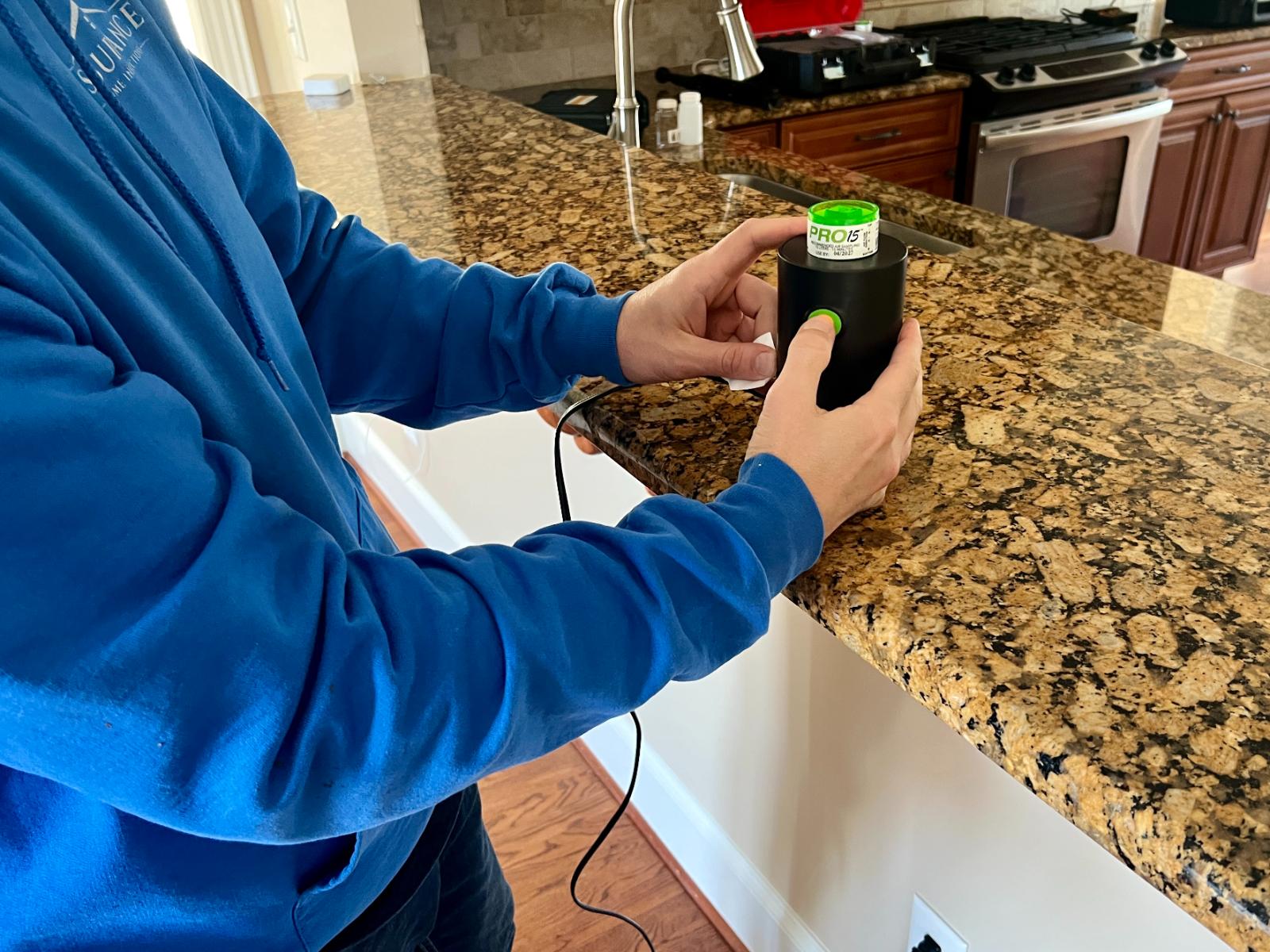
Our indoor air quality testing services are designed to identify what’s really floating in your home’s air. Using industry-grade equipment and proven sampling techniques, our indoor air quality testing experts deliver fast, accurate results without disrupting your day-to-day routine.
Here’s how the professional indoor air quality testing process works:
When you choose Assurance Home Inspections, you’re choosing local experts who guide you to make the right decision. Our residential inspectors have earned trust in Greensboro.

Our inspectors bring years of experience and advanced training to ensure every detail of your property is accurately evaluated.

Our inspection reports are easy to read, visually detailed, and packed with valuable insights, free from technical confusion.

At Assurance Home Inspections, we value all our clients, ensuring transparent communication and seamless operations.

We understand that time is crucial when buying or selling a home. That’s why we deliver detailed, easy-to-understand inspection reports the same day.

Negotiations just got easier. Our Repair Request Builder lets you create professional, organized repair lists directly from your inspection report.

Need an inspection right away? We’ve got you covered. Assurance Home Inspections offers next-day availability to fit your schedule.

Yes, absolutely. A professional air quality test can detect mold spores floating in your indoor air, even if you can’t see visible growth. During a mold air test, samples are collected and analyzed in a laboratory to identify the types of mold and their concentration levels. This helps determine whether further mold inspection or remediation is needed.
The cost of indoor air quality testing typically ranges from $250 to $600, depending on the size of your home and the type of tests performed. Advanced testing for mold, VOCs, or allergens may increase the price slightly, but it’s a small investment for healthier indoor living.
Yes, indoor air quality testing is absolutely worth it—especially if you experience allergies, respiratory problems, or musty odors in your home. Professional air quality inspections can uncover hidden pollutants like mold, dust, radon, and volatile organic compounds (VOCs) that affect your family’s health and comfort.
Professionals use specialized air sampling equipment to collect and analyze airborne particles and gases. This may include mold spore traps, humidity sensors, particulate counters, and VOC detectors. The results help pinpoint what contaminants are present and whether your indoor air meets safe quality standards.
An air quality test can detect a wide range of indoor pollutants, including mold spores, allergens, dust mites, carbon monoxide, formaldehyde, pet dander, and VOCs. The test provides a clear understanding of what you’re breathing and the steps that may be needed to improve it.
Common symptoms of poor indoor air quality include:
If you notice these, schedule a professional air quality test to identify and remove the source of contamination.
Professional air quality testing is highly accurate when performed using certified equipment and lab analysis. DIY or consumer-grade monitors can provide general readings, but they’re not as precise as those conducted by licensed air quality inspectors.
Some indoor air quality monitors can alert you to changes in humidity or particulate levels that may suggest mold growth, but they can’t directly identify mold spores. For accurate results, it’s best to have a mold air test conducted by a qualified indoor air quality testing company.
To improve your home’s air quality:
It’s recommended to have indoor air quality testing every 1 to 2 years, or sooner if you’ve experienced water damage, recent renovations, or recurring health symptoms. Routine testing ensures your living space remains healthy and free from hidden contaminants.
Testing indoor air quality involves collecting air samples throughout your home using specialized testing kits or pumps. These samples are analyzed in a laboratory to detect pollutants such as mold, VOCs, formaldehyde, and allergens. Professional air quality inspectors also evaluate ventilation and humidity to get a full picture of your home’s air health.